



CMYK vs RGB: Which Color Mode Should You Choose for Printing?

Written By
Anna Freeman
If you’ve ever ordered custom t-shirts, hoodies, or anything printed for your business, you’ve probably seen the terms RGB and CMYK come up.
Now, most people ignore these terms at first as everything looks fine on the screen anyway. But then the final print arrives and the colors don’t look exactly the same.
This is usually where the confusion starts.
You see, the simple reason behind this is that screens and printers don’t use color in the same way.
While screens use RGB for digital viewing, printers use CMYK for real-world printing.
In this blog, I will explain all the differences between CMYK vs RGB printing. You’ll know exactly what RGB and CMYK means, and how to make sure your printed designs come out looking the way you expect.
So, let’s get into it.
Key Takeaways
- RGB is used for digital screens like phones, laptops, and TVs
- CMYK is used for physical printing like t-shirts, posters, and packaging
- RGB has a wider range of colors compared to CMYK
- CMYK is more accurate for printing because it matches ink mixing
- Using the wrong color mode can cause color shifts in print
- RGB vs CMYK printing differences are the main reason designs look different on screen vs paper
What is RGB color mode?
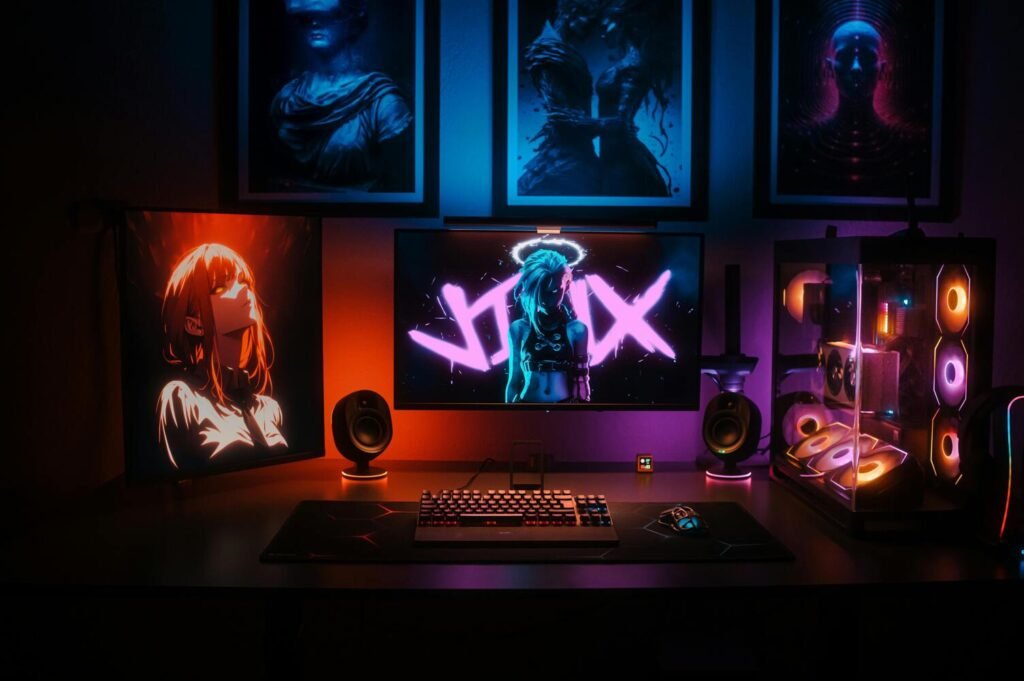
RGB simply stands for Red, Green, and Blue. It is the color system used for anything you see on a screen.
So whether you’re looking at your phone, laptop, TV, tablet, or even scrolling through social media, the colors you see are made using RGB.
Simply put, it is the standard for screens to display images and videos in a bright and clear way.
From embroidery to screen printing and custom patches, we help you create high-quality custom apparel that stands out.
How does RGB work?
RGB works using light instead of ink. It mixes red, green, and blue light in different amounts to create colors.
For instance, red and green together make yellow, while all three combined at full strength create white. Also, when there’s no light, you see black.
This is why RGB can produce such a wide range of bright and colorful visuals on screens.
Why is RGB used for screen display?
RGB used for screen display because it looks vibrant.
Here, screens actually produce light which makes colors appear brighter, sharper, and more glowing compared to print.
That’s also why designs for custom apparel printing look amazing on your phone or laptop but slightly different when printed. This is not a mistake, it is just how screen colors work compared to real-world printing methods.
What is CMYK color mode?
CMYK stands for Cyan, Magenta, Yellow, and Key (Black). This is the color system used for anything that gets physically printed, like t-shirts, hoodies, posters, packaging, or business cards.
You see, unlike screens, printers don’t use light. Instead, they use ink to create colors on fabric or paper.
That’s why CMYK is the standard for all printing work, including custom screen printing work at Five Star Apparel.
How does CMYK work?
CMYK works by layering ink instead of using light. It starts with a white surface, like fabric or paper, and then adds colors on top of it.
Here, each layer of ink slightly reduces the brightness and builds the final shade. So instead of adding light like a screen, CMYK creates color by removing brightness through ink combinations.
Why is CMYK used for printing?
CMYK is used in printing because it matches how real ink works. Here, printers physically mix these four inks to create different colors, which makes the final result more predictable and consistent.
This is why professional printing always uses CMYK. It ensures your design looks as close as possible to what the printer can actually produce on fabric or paper.
CMYK vs RGB printing: What’s the main difference?
The main difference between RGB vs CMYK printing comes down to how color is created.
For instance, RGB is used for screens, and it creates color using light. At the same time, CMYK is used for printing, and it creates color using ink.
And this one difference changes how everything looks in the real world.
On a screen, colors can look very bright, sharp, and glowing because light is being added directly to your eyes.
But in printing, colors are made using ink on fabric or paper, which naturally looks a bit softer and more limited.
This affects things like:
- How bright the color looks
- How rich or deep it feels
- How accurate the final print turns out
- And how close it matches your screen design
That’s exactly why a design that looks perfect on your phone or laptop can look slightly different when it’s printed.
In short, here’s how CMYK vs RGB printing is different:
| Feature | RGB | CMYK |
| Used for | Digital screens | Printing |
| Works with | Light | Ink |
| Color style | Bright & glowing | Softer & natural |
| Range of colors | Wider | Limited |
| Best for | Online designs | Physical prints |
Here’s why CMYK vs RGB color look different in real life
This is where most people get confused.
You design something on your screen using RGB, and it looks bright and perfect. But when it gets printed, the same design can look a bit dull or different.
Now, this doesn’t mean something went wrong. It simply happens because screens and printers don’t work the same way. One uses light, and the other uses ink, so the final result will never look exactly identical.
Overall, here’s why RGB vs CMYK color looks different:
1. RGB has more colors than CMYK
RGB can show a much wider range of colors compared to CMYK. That’s why some very bright or neon-style shades you see on screens simply cannot be recreated with ink.
So when a design is converted from RGB to CMYK for printing, those colors are automatically adjusted. This is why some shades look less vibrant after printing.
2. Screens are backlit, prints are not
Your screen creates colors using light, which makes everything look brighter and sharper.
On the other hand, printed designs don’t use light at all. Instead, they depend on lighting around them, the fabric or paper, and how ink absorbs into the surface.
It is because of this reason that even the same color will always look slightly different in print.
3. CMYK has physical ink limits
Printing uses real ink layers, and ink has natural limits. On the other hand, colors can only mix in certain ways, and they can’t stay as bright as light-based screens.
This means saturation is lower, and brightness is reduced. That’s one of the main reasons behind RGB printing vs CMYK printing differences you often notice in real-world results.
In short, here’s why CMYK vs RGB color look different:
| Reason | Explanation |
| More colors in RGB | Screens can show more bright colors |
| Backlit screens | Light makes colors look brighter |
| No light in print | Prints depend on ink and paper |
| Ink limitations | Printing cannot match all screen colors |
CMYK vs RGB printing: Which one should you use?
The choice between RGB vs CMYK will depend on where your design will be used.
For instance, if it’s going on a screen, RGB works best. And if it’s going to be printed on fabric, paper, or packaging, CMYK is the right option.
Let me break it down for you.
Use RGB if your design is going on a screen
If your design will only be seen on digital devices, RGB is the right choice. This includes things like Instagram posts, website banners, YouTube thumbnails, app designs, and online ads.
RGB works best here because screens use light to show colors, which makes everything look brighter and more vibrant. There’s no printing involved, so you don’t have to worry about color conversion.
Use CMYK if your design is going to be printed
If your design is meant for printing, CMYK is the correct choice. This includes custom embroidered patches or prints on t-shirts, hoodies, posters, flyers, business cards, packaging, and banners.
CMYK works better because printers use ink instead of light, so it matches how colors are actually produced in real life. Also, it helps reduce unexpected color changes during printing.
In short, here’s when to use RGB vs CMYK printing:
| Use Case | Best Choice |
| Instagram posts | RGB |
| Website design | RGB |
| YouTube thumbnails | RGB |
| T-shirt printing | CMYK |
| Posters & flyers | CMYK |
| Packaging | CMYK |
| Digital ads | RGB |
Bonus: Here’s the simplest way to choose between RGB vs CMYK printing
| Situation | Use |
| Instagram post | RGB |
| Website design | RGB |
| T-shirt printing | CMYK |
| Poster printing | CMYK |
| Logo for print | CMYK |
| Logo for digital use | RGB |
From embroidery to screen printing and custom patches, we help you create high-quality custom apparel that stands out.
Final words
As you can see, choosing between CMYK vs RGB printing isn’t really about which one is better overall. Instead, it involves knowing where your design will be used and what result you actually want.
So, if your design is meant for screens, RGB is the right choice because it keeps things bright and vibrant.
But if you’re printing something on t-shirts, posters, or any physical product, CMYK is the safer and more accurate option.
For instance, if you want bold and eye-catching visuals for social media or digital use, RGB works perfectly. However, if you want consistent, reliable print results for your brand, CMYK is the smarter choice.
At the end of the day, both systems are useful. You just need to use them in the right place to avoid color issues and get the best results every time.
Got more questions or looking for custom printed apparel?
You can get in touch with us!
At Five Star Apparel, we provide high-quality custom printed apparel backed by a decade of local expertise. And we’ve got all your custom apparel needs covered on a budget.
FAQs about CMYK vs RGB color
What is the main difference between CMYK vs RGB?
RGB is used for digital screens and works with light, while CMYK is used for printing and works with ink. This is why printed colors often look different from screen colors.
Why do RGB and CMYK colors look different?
RGB and CMYK colors look different because RGB uses light to create color, while CMYK uses ink. Light is brighter and more vibrant, while ink naturally appears softer when printed.
Should I design in RGB or CMYK?
I suggest you use RGB for digital designs and CMYK for anything that will be printed. This ensures accurate and predictable color output.
Can I convert RGB to CMYK without losing quality?
Yes, but some colors might shift or become less vibrant because CMYK has a smaller color range compared to RGB.
Which is better for printing: RGB or CMYK?
CMYK is better for printing because it matches real ink behavior and gives more accurate results on physical materials.
Why does printed color look dull compared to screen?
Printed colors look dull compared to screens because screens emit light (RGB), while printed materials reflect light (CMYK). This naturally makes printed colors appear less bright.
Is CMYK vs RGB printing important for t-shirt printing?
Yes, very important. Using CMYK ensures your printed apparel colors match your expectations as closely as possible.
Anna Freeman is the owner of 5 Star Apparel. With over 20 years of industry experience, she brings expert insights on embroidery, screen printing, and branded apparel, helping businesses and organizations bring their ideas to life with confidence and style.