What Is Sashiko Embroidery?

Written By
Anna Freeman
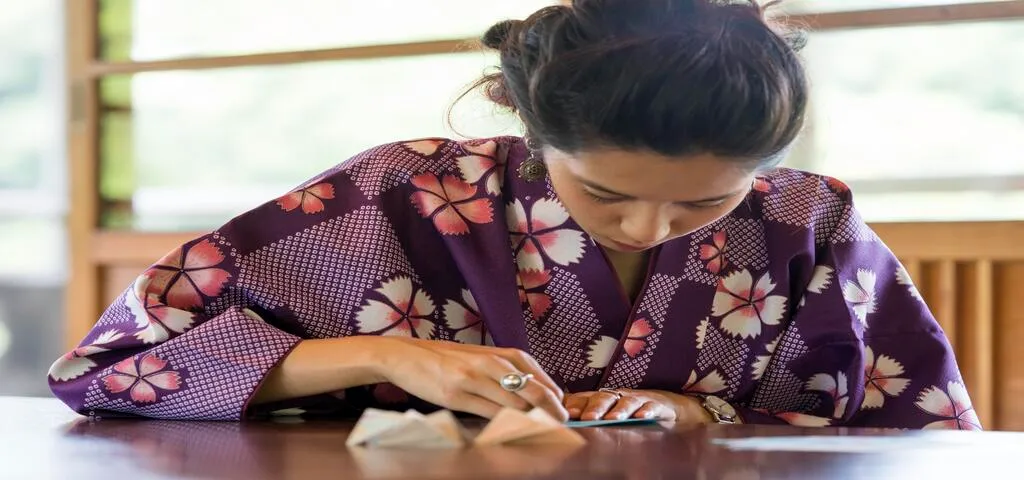
Have you ever noticed rows of elegant stitches on indigo fabric and wondered what they are?
That classic white-on-blue stitching is called sashiko embroidery, a traditional Japanese stitching craft that’s as practical as it is beautiful.
You see, sashiko embroidery is very different from other types of needlework. Here, you won’t find regular embroidery stitch types such as stain, fill, or back stitches.
Instead, you’ll find very unique sashiko patterns like moyozashi, seigaiha, hitomezashi, and more.
In this blog, I’ll walk you through all things sashiko embroidery. You’ll know:
- What is sashiko embroidery exactly
- How it started
- Essential sashiko embroidery supplies you’ll need
- Popular sashiko embroidery patterns
- Tips to get started with sashiko
So let’s get into it.
What is sashiko embroidery exactly?
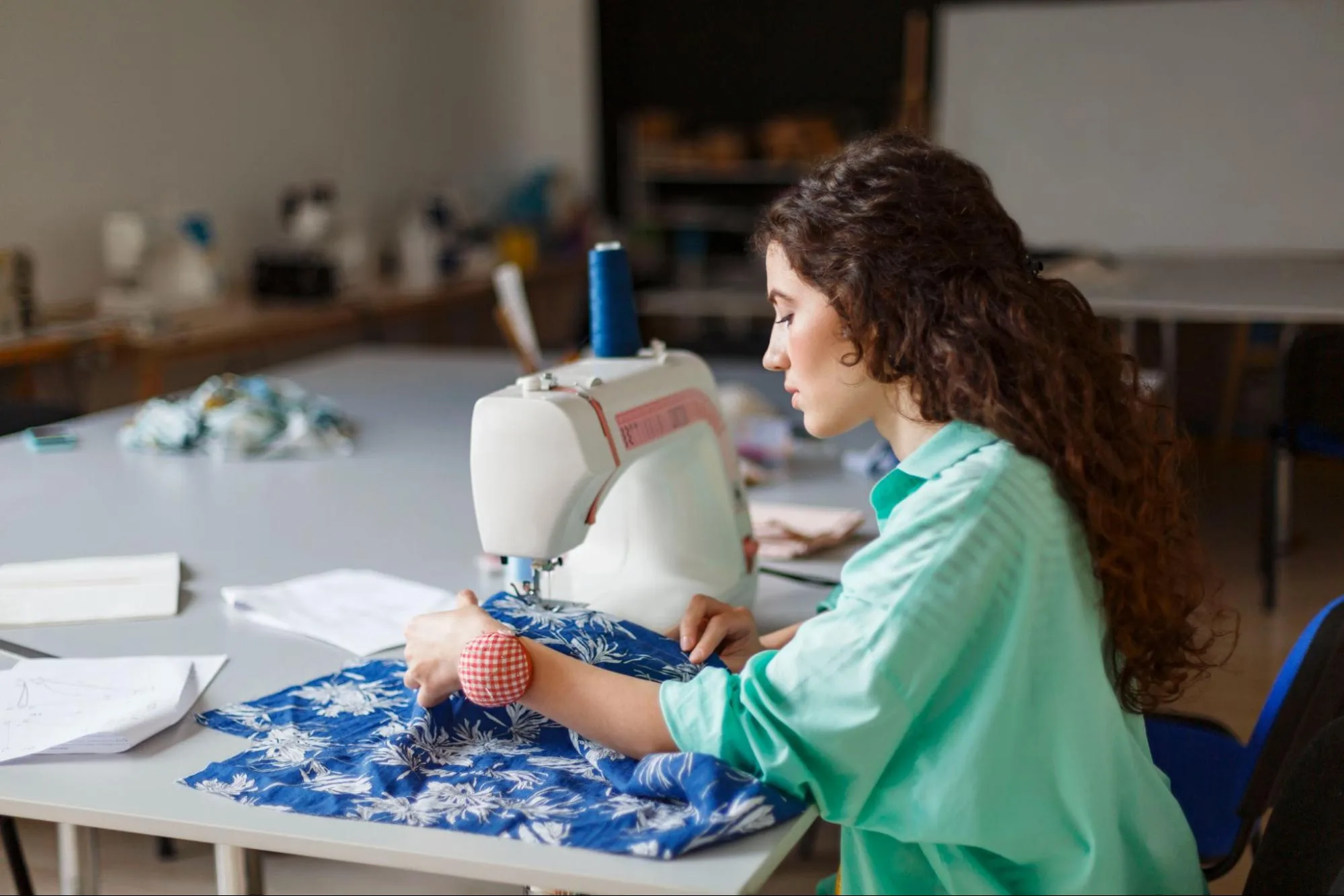
Sashiko embroidery is a style of Japanese needlework that began centuries ago as a practical way to reinforce and repair worn clothing.
The word sashiko literally means little stabs, and it refers to the running stitches that make up the design.
You see, instead of laying thread on top like decorative embroidery, sashiko stitches weave through the fabric, strengthening it while creating eye-catching geometric patterns.
Traditionally, sashiko was done with thick white thread on indigo-dyed cotton, a look that came from limited dye and material resources in old Japan.
Today, you’ll find sashiko done in many colors, but the classic contrast remains iconic.
You’ll see sashiko as custom embroidery on clothing, quilts, accessories, and even home decor.
From embroidery to screen printing and custom patches, we help you create high-quality custom apparel that stands out.
How did sashiko embroidery start?
Sashiko has humble beginnings.
It first appeared in Japan during the Edo period, where fabric was precious and hard to replace.
So, instead of throwing out worn clothes, people stitched them back together with rows of running stitches. Over time, those practical stitches turned into artistic patterns.
This technique helped reinforce fabric at stress points like elbows and knees, and also added extra warmth when multiple fabric layers were stitched together. It was especially common in farming communities where clothes were used hard and replaced rarely.
What began as a practical mending method eventually grew into its own art form, celebrated for its rhythm, simplicity, and timeless designs.
Sashiko embroidery supplies: What do you really need?
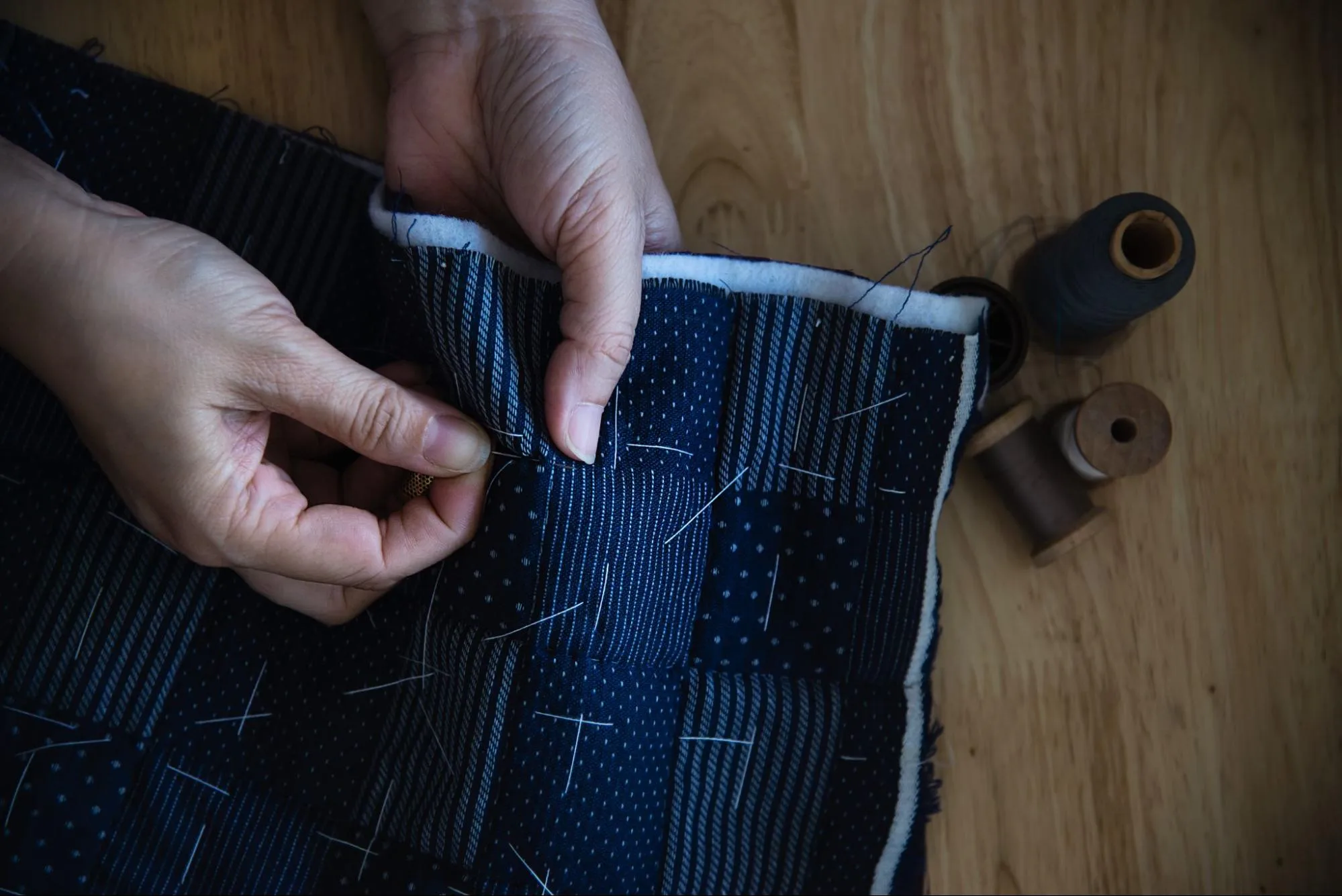
If you’re curious about trying sashiko embroidery yourself, you don’t need a lot to get started. For basics, you need tools that make the stitching comfortable and the patterns clean.
Here’s a simple breakdown of essential sashiko embroidery supplies:
- Sashiko thread: Thicker and more durable than regular embroidery thread types, sashiko thread creates bold, visible stitches.
- Sashiko needles: Longer and stronger than typical embroidery needles, designed to carry sashiko thread smoothly through fabric.
- Fabric: Traditional sashiko uses medium‑weight cotton or linen, often indigo dyed, but any even‑weave fabric works well.
- Marking tools: Water‑erasable pens or chalk help draw grids and guides for precise stitching.
- Ruler or measuring guide: To keep your patterns neat and evenly spaced.
With these basics, you’re ready to practice your first sashiko embroidery designs.
In short, here are all the sashiko embroidery supplies you’ll need:
| Supply | Why You Need It |
| Sashiko thread | Thicker and stronger than normal embroidery thread |
| Sashiko needles | Longer, sturdy for smooth stitching |
| Fabric | Cotton or linen holds stitches well |
| Marking tools | Chalk or pens guide your pattern |
| Ruler or grid | Keeps stitches even and neat |
What are the different types of sashiko embroidery patterns?
One of the most fascinating parts of sashiko is the wide range of patterns it brings, each with a distinct look and history.
Most sashiko embroidery patterns are based on simple geometric shapes and repeated rows of running stitches that create rhythmic designs.
Here’s are some of the most popular sashiko patterns:
1. Moyozashi (pattern stitching)
This style uses longer lines of running stitches that form patterns by their shape and direction.
Instead of tiny grid‑based stitches, moyozashi creates continuous flowing designs, often shaped like waves, arcs, or repeating lines. These patterns are striking and ideal for larger areas of fabric, and are often what people picture when they think of sashiko.
It is perfect for beginners and adds a sense of movement to your stitching.
2. Hitomezashi (one‑stitch patterns)
Hitomezashi patterns are created on a grid, with single running stitches placed one by one in rows.
Although each stitch is simple on its own, when arranged in a grid, they form intricate designs like diamonds, crosses, checkerboards, and more.
These patterns often look more complex, but they follow a predictable rhythm that beginners can learn quickly.
Hitomezashi is one of the most traditional and widely recognized sashiko embroidery patterns.
3. Asanoha (hemp leaf)
Asanoha is one of those classic sashiko embroidery designs that like repeating diamond shapes that come together to form a stylised plant or leaf shape.
Not only is it beautiful, but it also has cultural meaning.
You see, the hemp plant is culturally associated with growth, strength, and resilience. This makes asanoha a popular choice for both functional stitching and decorative sashiko projects.
4. Seigaiha (waves)
Inspired by the rolling waves of the sea, seigaiha is one of sashiko’s most calming and rhythmic patterns.
It is made with overlapping curves that look like repeating ocean waves, giving the fabric a balanced and flowing look.
A lot of people choose this pattern for quilts, bags, and garments to evoke a sense of harmony.
5. Kikkō (tortoise shell)
Kikkō is a hexagonal pattern that looks like a tortoise shell, which in Japanese culture represents longevity and good luck.
It is made by interlocking diamonds or hex shapes, and looks excellent on jackets, coasters, or pillows.
6. Shippo (seven treasures)
Shippo designs are circular motifs that interconnect, forming a repeating lattice.
This pattern symbolises harmony and connectedness, making it perfect for gifts, home decor, and meaningful projects.
In short, here are all the sashiko embroidery patterns:
| Pattern | Look | Use |
| Moyozashi | Long flowing lines | To embroider large areas |
| Hitomezashi | One-stitch grid | Intricate geometric designs |
| Asanoha | Diamond/hemp leaf | Symbolic, decorative |
| Seigaiha | Overlapping waves | Calm, rhythmic projects |
| Kikkō | Tortoise shell hexagons | Lucky motif, home decor |
| Shippo | Interlocking circles | Harmony, gifts, quilts |
Sashiko thread vs embroidery thread: What’s the difference?
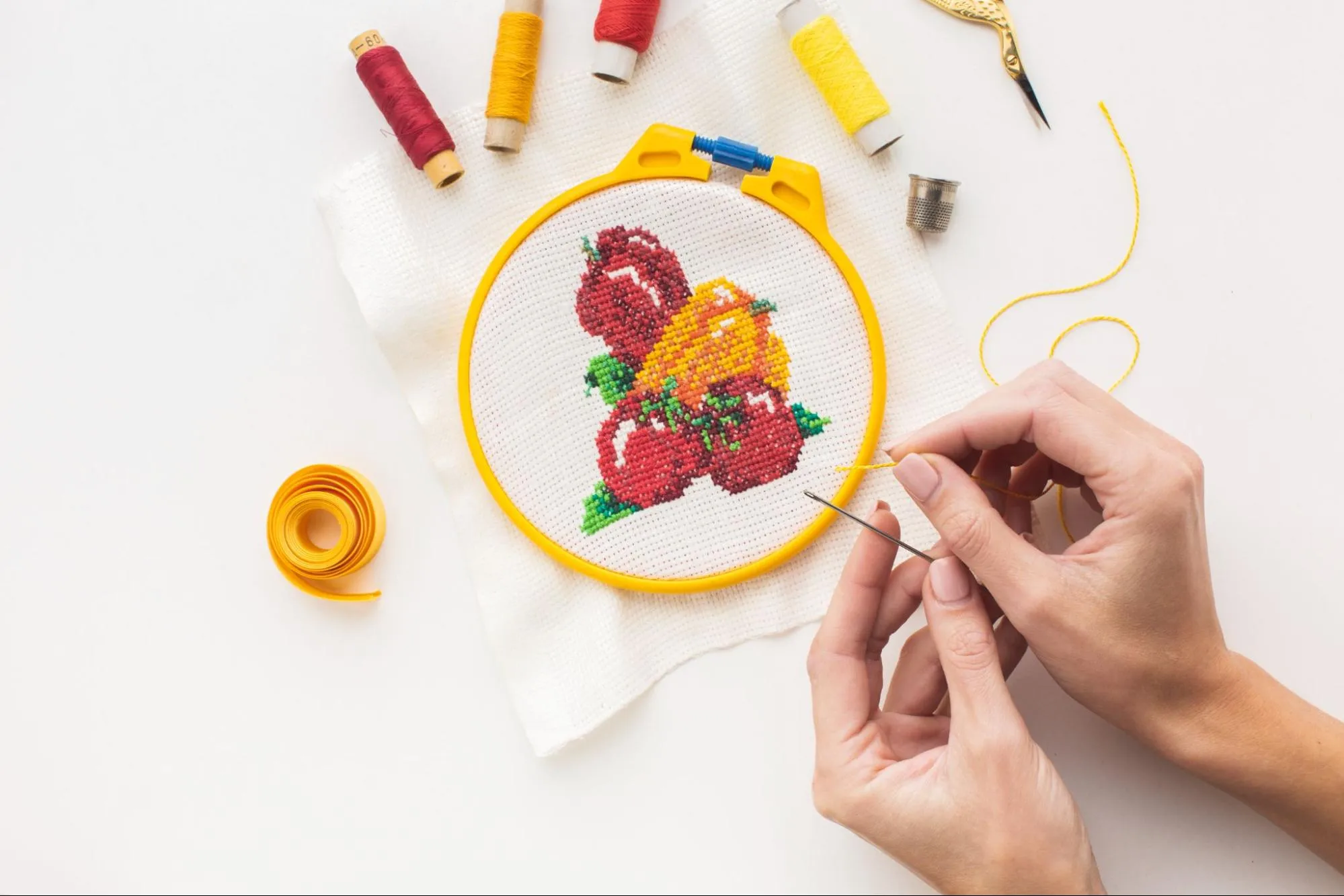
You might wonder how sashiko thread differs from regular embroidery thread.
For starters, sashiko thread is thicker and tighter twisted so it creates bold, raised stitches that stand up to wear.
Regular embroidery floss, on the other hand, is softer and more delicate. They are perfect for detailed designs but not as sturdy for sashiko stitching.
You can experiment with embroidery thread when you’re learning, but traditional sashiko thread will give you that classic look and texture that makes this craft so distinctive.
Here are all the differences between sashiko thread vs embroidery thread:
| Feature | Sashiko Thread | Embroidery Thread |
| Thickness | Thicker | Softer, finer |
| Texture | Bold, raised | Smooth, flat |
| Durability | Very strong | Less durable |
| Best For | Traditional sashiko | Detailed embroidery |
Who should try sashiko embroidery?
Sashiko embroidery isn’t just for historical textile lovers, it is for anyone who enjoys slow, mindful stitching.
If you are a beginner, you can pick up basic patterns without prior sewing experience.
Experienced stitchers, at the same time, can try the meditative rhythm and timeless beauty of sashiko designs.
Overall, sashiko embroidery designs are great for:
- Quilters looking to add texture
- Makers who love geometric patterns
- People who want a sustainable way to upcycle clothing
- Anyone who enjoys easy‑to‑learn hand stitching
In short, here’s who should try sashiko embroidery patterns:
| Type of Person | Why They’ll Like It |
| Beginner stitchers | Simple, repeating stitches |
| Quilters | Adds texture and pattern |
| Upcyclers | Strengthens old clothes |
| Hobbyists | Mindful, relaxing craft |
| Experienced stitchers | Timeless geometric designs |
Bonus: How to get the best results with sashiko embroidery
- Use the right thread and needles: Sashiko thread and longer needles help you stitch more smoothly.
- Choose stable fabric: Even‑weave cotton or linen helps your stitches look neat.
- Draw your guides first: A light grid or markings keep your design precise.
- Start with simple patterns: You can try moyozashi or basic grids before trying more complex motifs.
- Take your time: Sashiko is as much about the process as the result.
From embroidery to screen printing and custom patches, we help you create high-quality custom apparel that stands out.
Final words
I am sure that, by now, you have a clear picture of what is sashiko embroidery and why it is such a beloved craft.
You see,sashiko is more than just another traditional Japanese embroidery. It is a technique built on simple running stitches that create beautiful, repeating patterns.
Whether you want to preserve fabric, add texture to garments, or just enjoy a relaxing crafting practice, sashiko offers timeless designs and a warm, meditative rhythm.
Got more questions or want custom printed apparel for your business or organization?
You can get in touch with us!
At Five Star Apparel, we are known for creating custom embroidery that’s tailored to your brand and lasts you for years. Be it a vibrant design or a subtle detail, we ensure your embroidery makes your brand shine.
FAQs about sashiko embroidery
What is sashiko embroidery?
Sashiko embroidery is a traditional Japanese stitching technique that uses running stitches to create geometric, repeating patterns. It began as a way to strengthen and mend fabric but evolved into a celebrated craft.
What materials do you need for sashiko embroidery?
The essentials are sashiko thread, sashiko needles, even‑weave fabric, and simple marking tools. These help you create clean, bold stitches that define the sashiko look.
What are popular sashiko embroidery patterns?
Classic sashiko embroidery patterns include moyozashi (pattern stitching), hitomezashi (grid based), asanoha (hemp leaf), seigaiha (waves), kikkō (tortoise shell), and shippo (interlocking circles).
How is sashiko thread different from embroidery thread?
Sashiko thread is thicker and more tightly twisted, making stitches durable and bold. Embroidery thread is softer and finer, suited for detailed stitching but not traditional sashiko texture.
Is Japanese sashiko embroidery good for beginners?
Yes!
Most sashiko patterns use simple running stitches and repeating grids, making them easy for beginners to learn and enjoy.
Anna Freeman is the owner of 5 Star Apparel. With over 20 years of industry experience, she brings expert insights on embroidery, screen printing, and branded apparel, helping businesses and organizations bring their ideas to life with confidence and style.