What Is Dye Sublimation Printing? Everything Beginners Need to Know

Written By
Anna Freeman
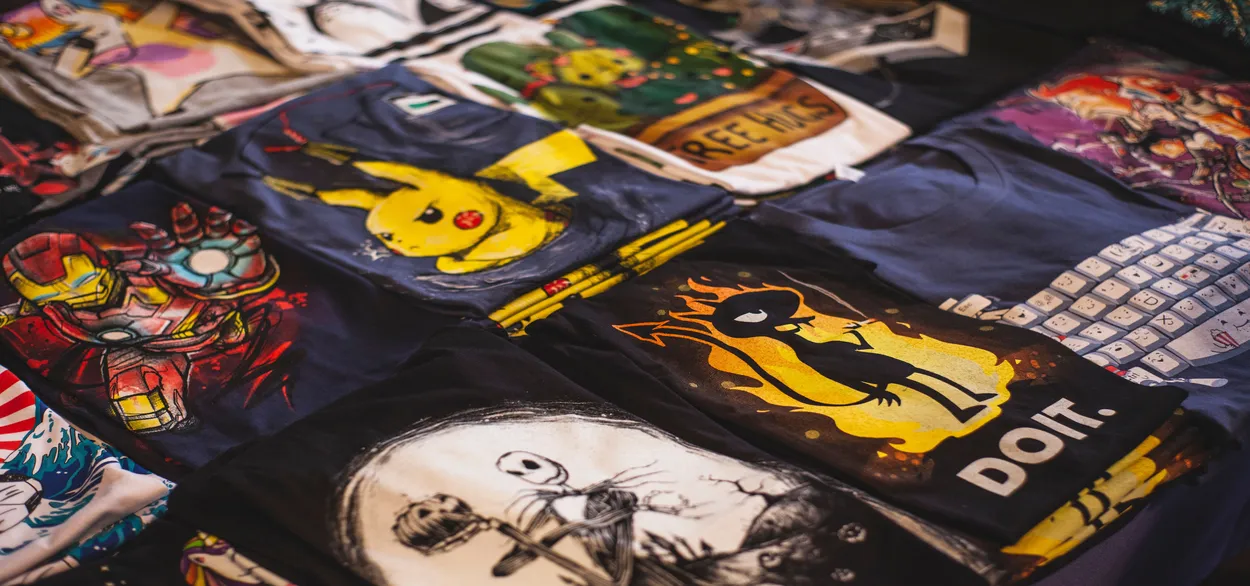
There are several printing methods apparel makers use for custom apparel printing. But among all of them, dye sublimation printing is one of the most sought after methods.
In fact, from custom sports jerseys and performance wear to promotional products and personalized gifts, this is the go-to printing method for creating vibrant, long-lasting designs.
Now, if you’re new to custom printing, chances are you’ve heard the term without fully understanding what it actually means.
That’s why in this blog, I am going to explain everything about dye sub printing in simple terms. So, read on to know:
- What is dye sublimation printing
- How the dye sublimation process works
- The materials and fabrics that work best
- The most common uses of dye sublimation
- The benefits and limitations of this printing method
- And when you should choose dye sub printing over other options
Key takeaways
- Dye sublimation printing uses heat to transfer special dye directly into a material.
- The printed design becomes part of the fabric instead of sitting on top of it.
- It works best on polyester fabrics and polymer-coated products.
- Dye sublimation produces vibrant, full-color, and long-lasting prints.
- It is widely used for sportswear, custom apparel, promotional products, and personalized gifts.
What is dye sublimation printing?
For starters, dye sublimation printing is a printing method that uses heat to transfer special dyes directly into a material.
Unlike other printing methods that place ink on top of the fabric, dye sublimation works differently. Here, the dye becomes part of the material.
That’s exactly why dye sublimation prints don’t feel thick, heavy, or raised when you touch them. Instead, the finished design feels just as smooth as the fabric around it.
Interestingly, the word sublimation comes from the scientific process where a solid changes directly into a gas without becoming a liquid first. And that’s exactly what happens during sublimation printing.
When heat and pressure are applied, the special sublimation dye turns into a gas. That gas then bonds with the polyester fibers or polymer coating of the product being printed.
And as the material cools down, the dye turns back into a solid and becomes permanently embedded inside the material.
Dye sublimation is popular for producing vibrant custom screen prints that resist cracking, peeling, or fading under normal use. And it is commonly used for:
- Sports jerseys
- Performance apparel
- T-shirts
- Leggings
- Hoodies
- Team uniforms
- Promotional products
- Mugs
- Mouse pads
- Phone cases
- Metal photo panels
- Custom gifts
From embroidery to screen printing and custom patches, we help you create high-quality custom apparel that stands out.
How does dye sublimation work?
Now that you know what is dye sublimation, let’s talk about how it actually works.
The printing process is much easier compared to other methods. Here, instead of printing directly onto a garment, dye sublimation first prints the design onto a special transfer paper.
Then, the printed paper is placed on the fabric or product and pressed using high heat and pressure.
The heat causes the solid dye on the transfer paper to turn into a gas which moves into the polyester fibers or polymer-coated surface. And as the material cools, the dye becomes trapped inside the material.
What is the dye sublimation printing process like?
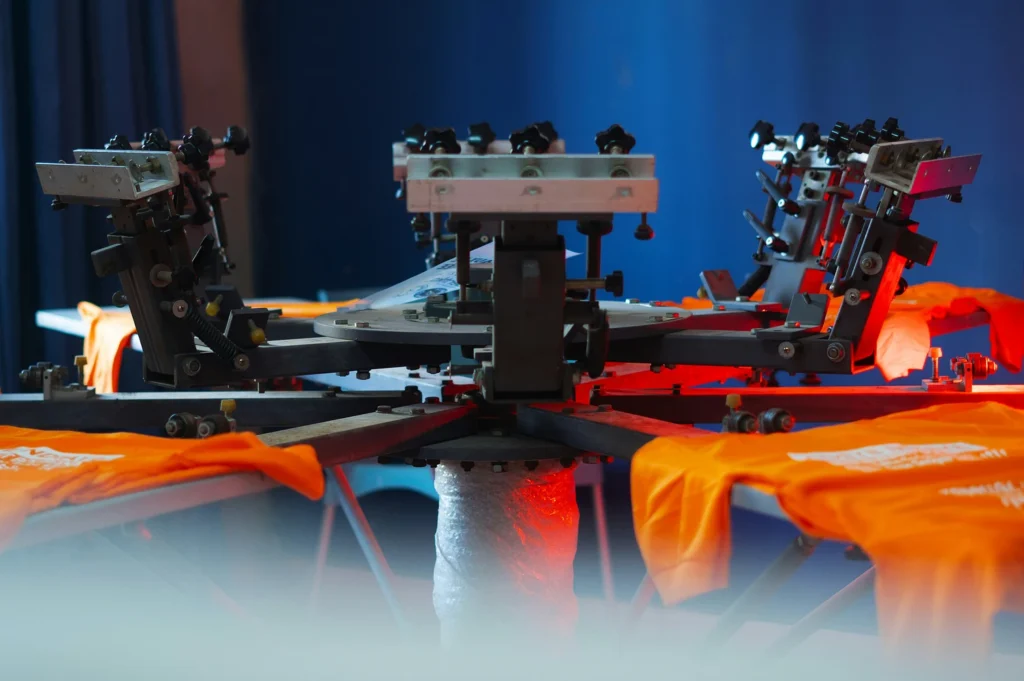
While the exact workflow can vary depending on the equipment being used, most dye sublimation projects follow a basic 5-step process.
Let’s take a look at it.
Step 1. The design is created
The design is created using graphic design software and then prepared for printing. Since the image will be transferred onto the product, it’s usually printed as a mirror image so it appears correctly after the transfer.
This step is important for designs that include text or logos.
Step 2. The design is printed onto transfer paper
Next, the design is printed onto special sublimation transfer paper using a dye sublimation printer and sublimation inks.
At this stage, the design might look dull or slightly faded on the paper. And that’s completely normal.
The vibrant colors don’t fully appear until the heat transfer process is complete.
Step 3. The transfer paper is placed on the product
Once the design has been printed, the transfer paper is carefully positioned on the fabric or product.
Proper alignment is important here because the design will be permanently transferred once heat is applied. So, whether it’s a T-shirt, jersey, mug, or mouse pad, the paper is secured in place before pressing.
Step 4. Heat and pressure are applied
The product and sublimation transfer paper are placed inside a heat press, which applies high heat and consistent pressure for a specific amount of time.
During this stage, the sublimation dye changes from a solid directly into a gas.
The gas then penetrates the polyester fibers or polymer-coated surface, creating what’s known as a dye sublimation heat transfer. Here, instead of sitting on top of the material, the dye becomes part of it.
Step 5. The finished product cools
Once the heat press cycle is complete, the transfer paper is removed. And as the product cools, the dye returns to a solid state and becomes permanently embedded within the material.
The result is a bright, detailed print that won’t peel, crack, or wash away like surface-level prints.
In short, here’s how the dye sublimation printing process works:
| Step | What Happens |
| Design creation | Artwork is prepared for printing |
| Printing | Design is printed onto sublimation transfer paper |
| Positioning | Transfer paper is placed on the product |
| Heat transfer | Heat and pressure turn the dye into gas and transfer it into the material |
| Cooling | The dye becomes permanent inside the product |
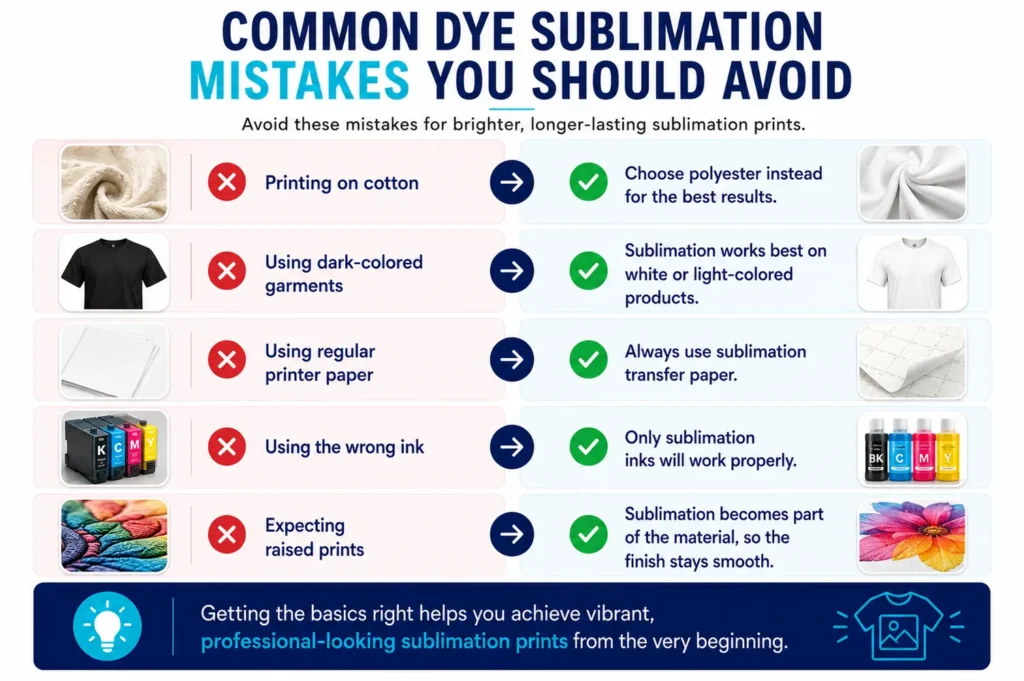
What can you print using dye sublimation?
One of the biggest advantages of dye sublimation printing is its versatility.
Today, it is used to decorate much more than just T-shirts. Businesses across several industries rely on dye sublimation because it can produce colorful, high-quality prints on a wide variety of products.
Some of the most common uses of dye sublimation printing include:
1. Sportswear and team uniforms
This is probably the most popular use of dye sublimation.
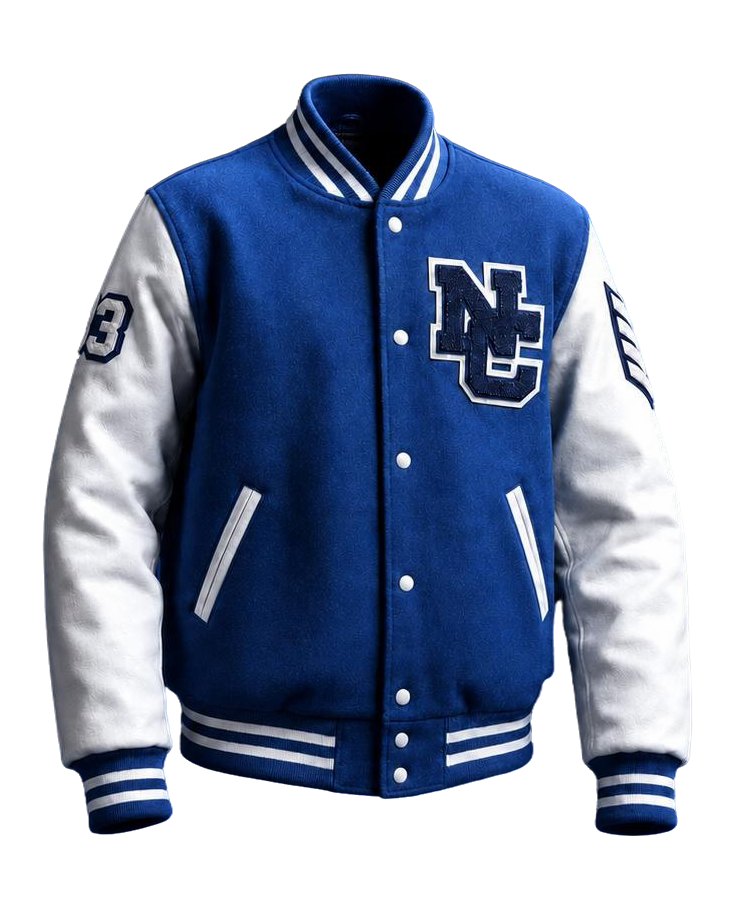
Sports jerseys, custom letterman jackets, soccer uniforms, basketball uniforms, cycling apparel, and other performance clothing are often sublimated because the prints remain lightweight, breathable, and durable.
2. Custom apparel
Just like custom embroidery, many businesses use dye sublimation for:
- T-shirts
- Different types of hoodies
- Polo shirts
- Tank tops
- Performance wear
- Custom fashion apparel
It is especially popular for garments made from polyester fabrics.
3. Promotional products
Dye sublimation is also widely used for promotional merchandise. Some common uses here include:
- Mugs
- Mouse pads
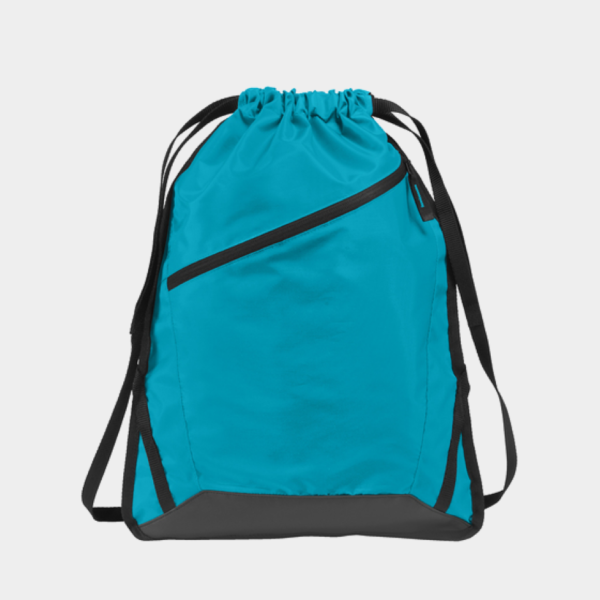
- Tote bags
- Lanyards
- Coasters
- Keychains
These products make great corporate giveaways, event merchandise, and personalized gifts.
4. Home decor and personalized gifts
You’ll also find dye sublimation being used to create:
- Decorative cushions
- Blankets
- Wall art
- Photo panels
- Personalized gifts
Its vibrant colors make it ideal for photo-quality printing.
From embroidery to screen printing and custom patches, we help you create high-quality custom apparel that stands out.
In short, dye sublimation printing is commonly used for:
| Product | Common Use |
| Sports jerseys | Teams and athletic organizations |
| Performance apparel | Activewear and workout clothing |
| Promotional products | Business branding and giveaways |
| Personalized gifts | Custom products and keepsakes |
| Home décor | Decorative printed items |
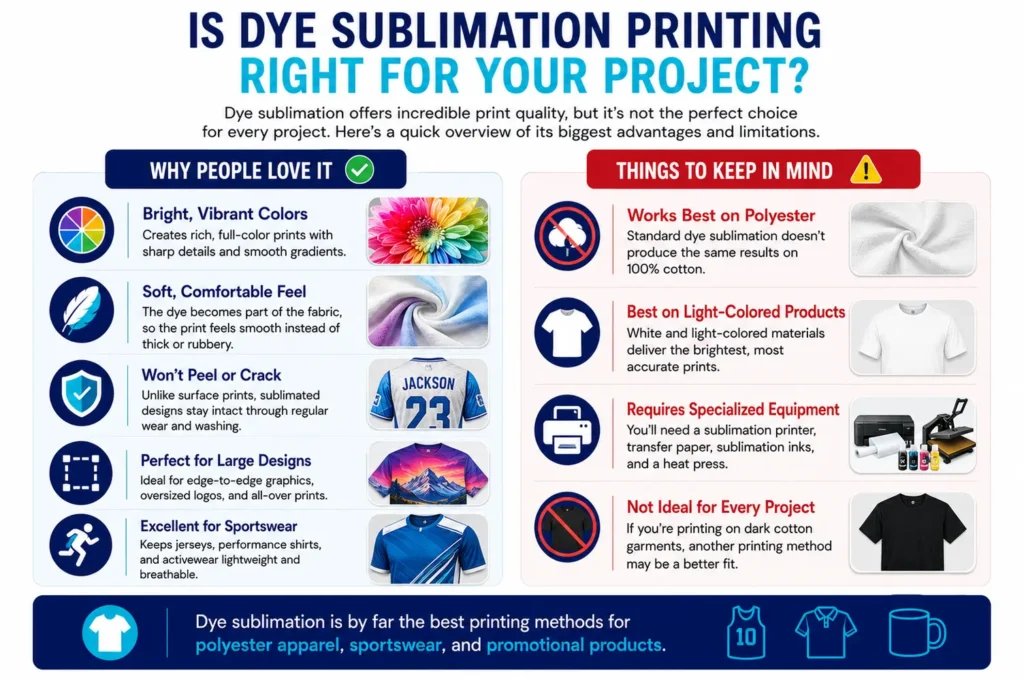
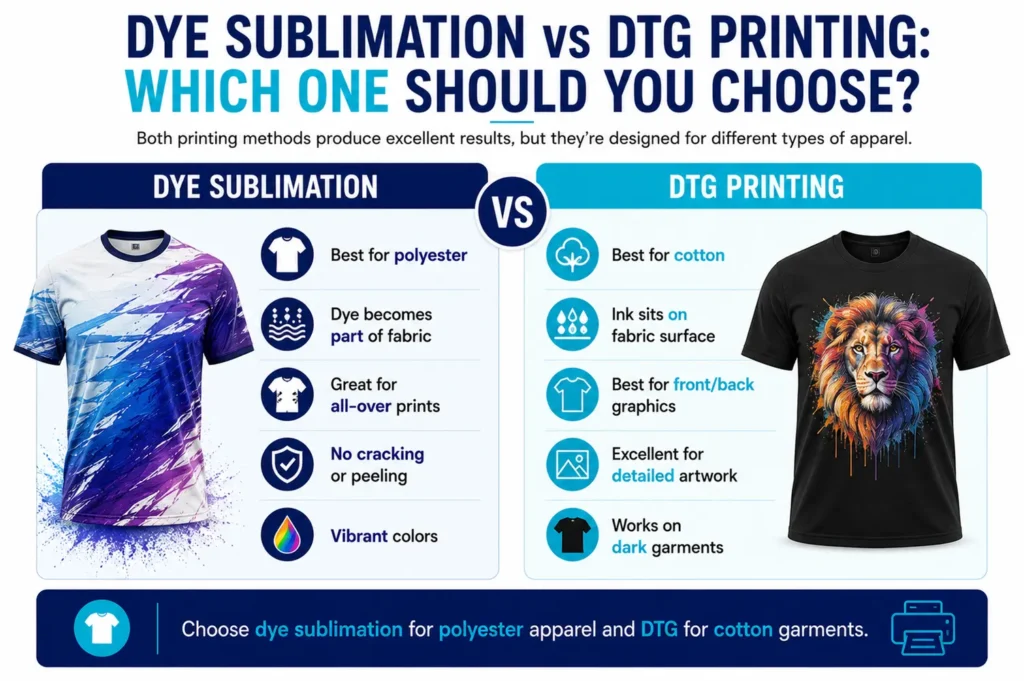
Dye sublimation vs traditional printing: What’s the difference?
When you’re starting out with dye sublimation, the biggest question you might have is how sublimation is better than traditional printing.
Now, the truth is, both methods have their strengths. Here’s a simple comparison to give you a better understanding:
| Feature | Dye Sublimation Printing | Traditional Surface Printing |
| How the design is applied | Dye becomes part of the material | Ink sits on top of the material |
| Best fabric | Polyester | Varies depending on the printing method |
| Print feel | Soft and smooth | May have a noticeable ink layer |
| Color quality | Bright and vibrant | Depends on the printing process |
| Durability | Highly resistant to peeling and cracking | Varies by printing method |
Final words
By now, I’m sure you have a clear understanding of what dye sublimation printing is and how it works.
Simply put, dye sublimation is a printing method that uses heat to transfer special dye directly into polyester fabrics or polymer-coated products.
Here, instead of sitting on the surface, the dye becomes part of the material itself. For businesses, sports teams, schools, and organizations, this offers:
- Bright, full-color prints
- Long-lasting durability
- Soft and breathable apparel
- Excellent detail for complex designs
- A professional, high-quality finish
Got more questions or looking to create custom printed apparel for your business, school, or team?
You can get in touch with us!
At 5 Star Apparel, we provide high-quality custom apparel printing in Shingle Springs designed to help your brand stand out.
Whether you need team uniforms, performance wear, promotional apparel, or custom branded clothing, our team is here to help bring your ideas to life with quality you can count on.
FAQs about dye sublimation printing
What is dye sublimation printing?
Dye sublimation printing is a printing method that uses heat to transfer special dye directly into polyester fabrics or polymer-coated products.
Instead of sitting on the surface, the dye becomes part of the material, creating vibrant and long-lasting prints.
What is dye sublimation?
Dye sublimation is the process in which a special dye changes from a solid into a gas when heated and bonds with a material. This process is what makes dye sublimation printing possible.
How does sublimation printing work?
Dye sublimation printing works by first printing a design onto special transfer paper. Heat and pressure are then used to turn the dye into a gas, allowing it to bond with polyester fibers or a polymer-coated surface.
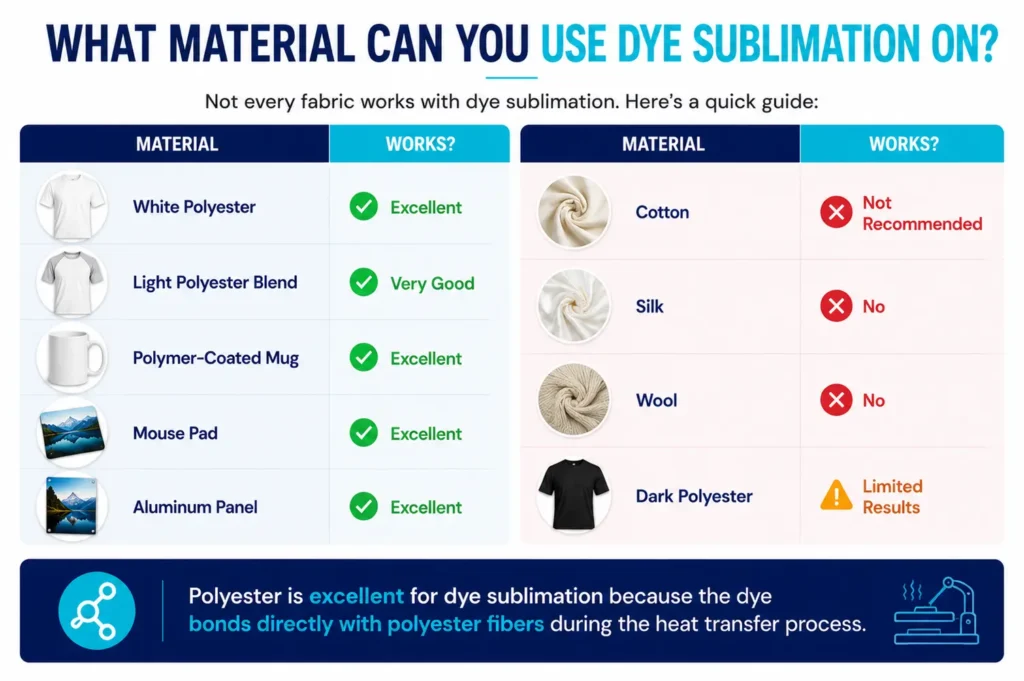
Does dye sublimation work on cotton?
Not with standard dye sublimation printing.
Traditional sublimation works best on polyester fabrics because the dye bonds with polyester fibers. Cotton doesn’t provide the same chemical bond, and it is best suited for screen printing.
Is dye sublimation printing durable?
Yes.
Dye sublimation prints are highly durable and resist peeling, cracking, and fading with proper care because the dye becomes part of the material rather than sitting on top of it.
What products can be printed using dye sublimation?
Dye sublimation is commonly used for sports jerseys, performance apparel, T-shirts, mugs, mouse pads, phone cases, metal photo panels, tote bags, and many other polyester or polymer-coated products.
Anna Freeman is the owner of 5 Star Apparel. With over 20 years of industry experience, she brings expert insights on embroidery, screen printing, and branded apparel, helping businesses and organizations bring their ideas to life with confidence and style.