Cross Stitch vs Needlepoint vs Embroidery: All The Differences Explained

Written By
Anna Freeman
If you’ve ever researched custom textile work, there’s a good chance you’ve come across the terms cross stitch, needlepoint, and embroidery.
They all sound almost the same and, thus, feel confusing too. So much so that people even assume they’re basically the same thing.
But let me tell you they’re all different.
Each one is a completely different stitching technique with its own style, fabric type, and final look.
And if you’re someone who’s comparing needlepoint vs cross stitch vs embroidery for custom apparel work, knowing the difference actually matters more than you think. That’s because each technique looks different, feels different, and is used for different purposes.
In this blog, I will explain all the differences between the three stitching techniques in a simple way. You’ll know:
- What cross stitch is
- What needlepoint is
- What embroidery is
- How they are different
- And when each one is used
So let’s get started.
Key takeaways
- Cross stitch, needlepoint, and embroidery are all hand-stitching techniques, but they’re not the same
- Cross stitch uses X-shaped stitches on even-weave fabric
- Needlepoint is done on stiff canvas using full thread coverage
- Embroidery is the broadest category and includes many stitching styles
- Needlepoint is more decorative and textured compared to cross stitch
- Cross stitch is more structured and grid-based
- Embroidery offers the most design flexibility of all three
- Each technique is used for different types of fabric art and decoration
Before we compare cross stitch vs needlepoint vs embroidery, let’s understand the basics of embroidery
Before we compare cross stitch vs needlepoint vs embroidery, let’s first understand the basics.
You see, custom apparel embroidery is the umbrella category. And under it, you have many stitching styles, including cross stitch, needlepoint. and many others.
So, needlepoint is not exactly the same as regular embroidery.
Needlepoint is a type of stitching technique, but it’s more structured and canvas-based. On the other hand, embroidery covers a much wider range of decorative stitching styles.
I have explained it in detail in the sections below.
What is embroidery?
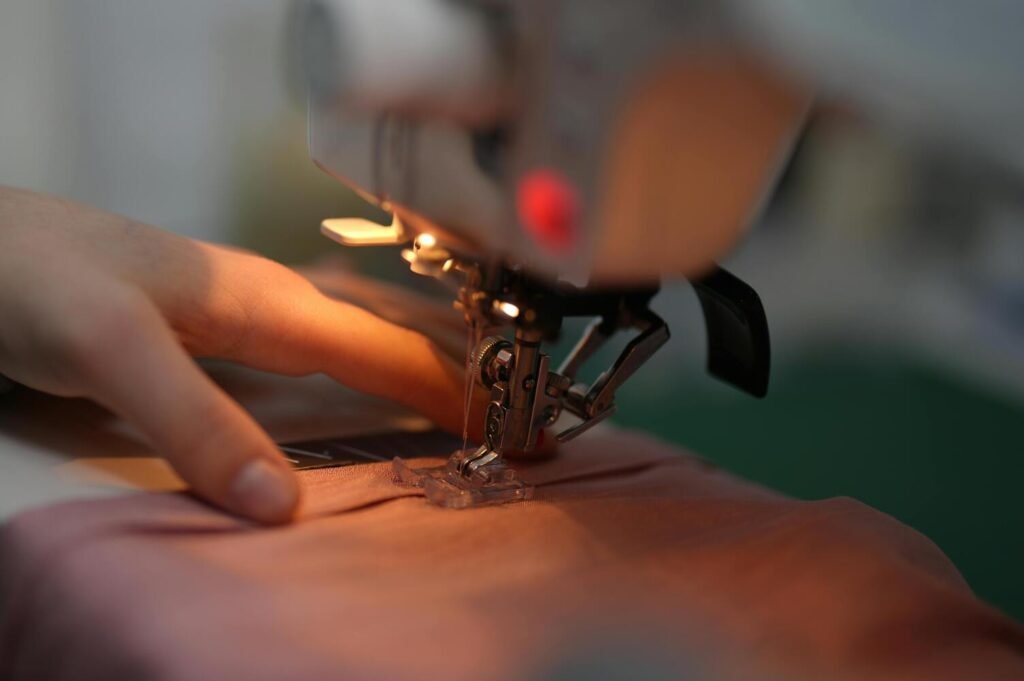
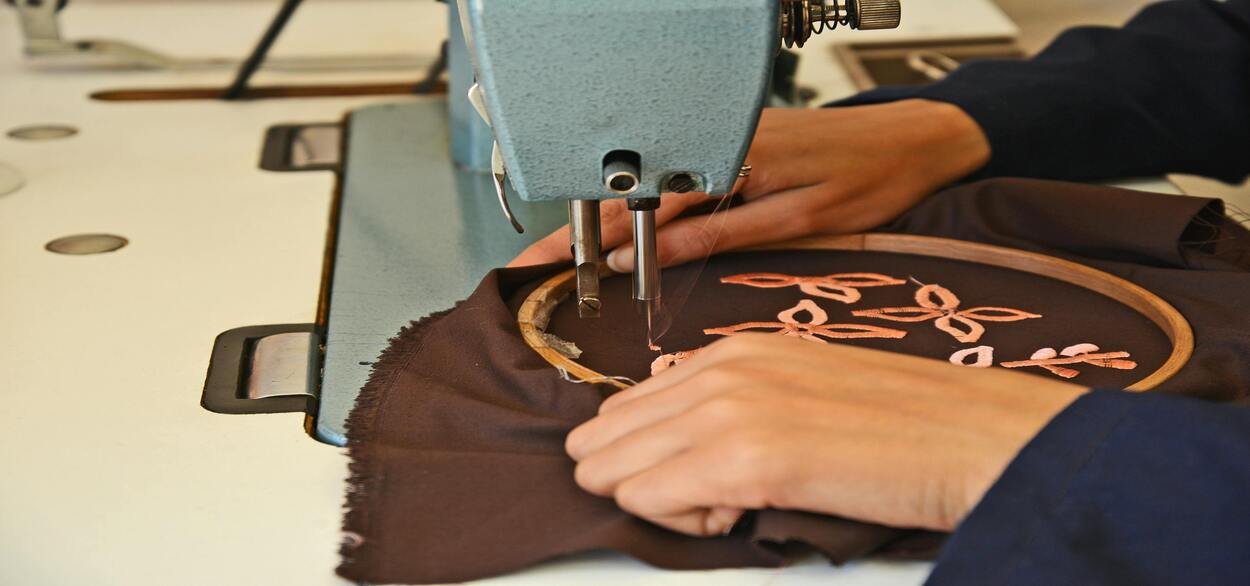
Let me start with the broadest category, embroidery. This is the art of decorating fabric using needle and thread.
But here’s the catch: Embroidery is not one single technique. Instead, it includes many different stitching styles such as satin stitch, backstitch, chain stitch, and even cross stitch (in some cases).
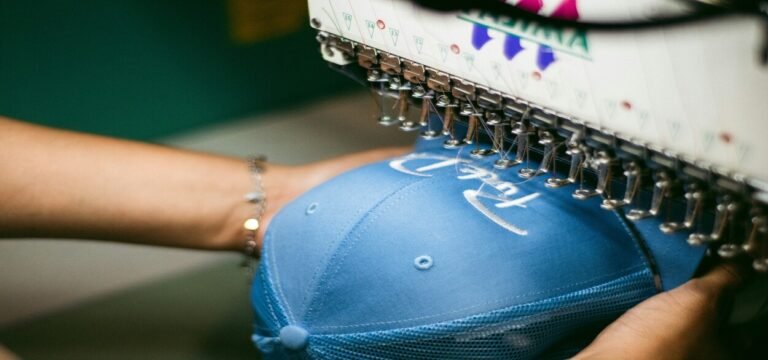
From embroidery to screen printing and custom patches, we help you create high-quality custom apparel that stands out.
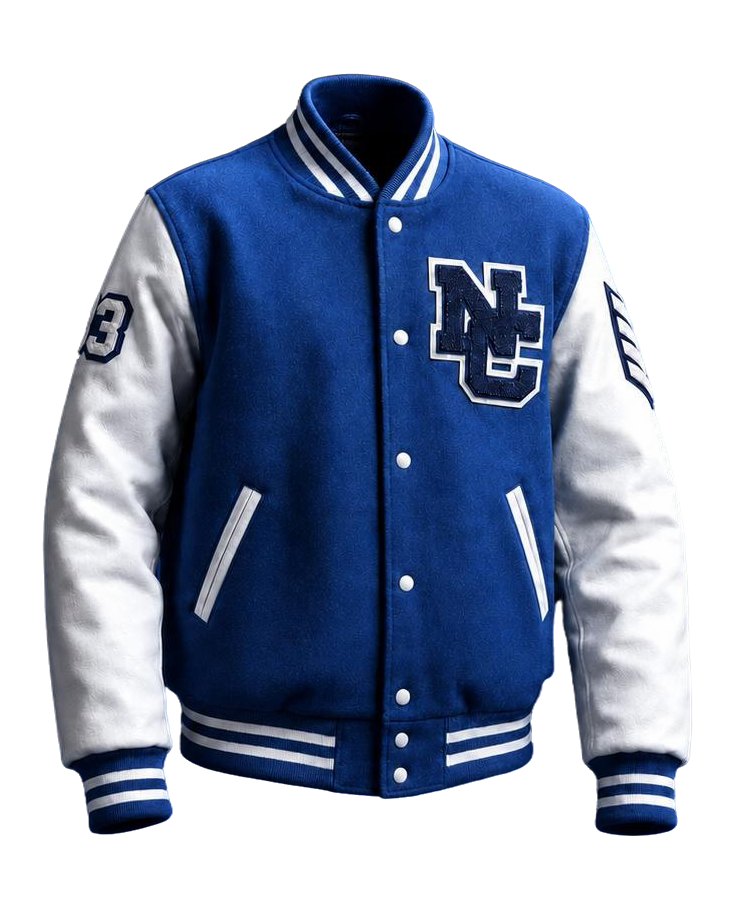
So how does embroidery work?
At a basic level, embroidery is simple. You just take a fabric and stitch designs directly onto it using thread.
Here, the fabric can be cotton, linen, polyester, or blends. And the design can be anywhere from logos, patterns, text, or decorative artwork.
This flexibility is what makes embroidery so widely used.
Why is embroidery so popular?
Embroidery is widely used in custom apparel making because:
- It works on many fabric types
- It looks premium and professional
- It lasts a long time
- It can be simple or highly detailed
This is why embroidery is often used for uniforms, caps, logos, and branding.
In short, here’s what embroidery is all about:
| Feature | Embroidery |
| Type | Broad stitching category |
| Fabric | Any fabric |
| Style | Flexible stitching methods |
| Look | Flat or textured depending on stitch |
| Use | Apparel, logos, decoration |
What is cross stitch?
Cross stitch is one of the most structured forms of stitching. And it uses a very specific technique: You create X-shaped stitches in a grid pattern.
That’s it.
It is very controlled, yet very structured, and pattern-based.
How does cross stitch work?
Cross stitch is usually done on even-weave fabric or Aida cloth (a very common cross stitch fabric). These fabrics have visible holes arranged in a grid.
So instead of freehand stitching, you follow a pattern, stitch X shapes one by one, and build an image pixel by pixel.
That’s why cross stitch designs often look like pixel art, geometric patterns, or highly detailed images made from small squares.
Why do people love cross stitching?
Cross stitch is super popular because:
- It is beginner-friendly
- It is very relaxing and repetitive
- Its patterns are easy to follow
- Its results look very clean and structured
But it does have limitations too. For instance, it is:
- Not very flexible
- Slower for large designs
- Not ideal for fabric variation
In short, here’s what cross stitch is all about:
| Feature | Cross Stitch |
| Stitch type | X-shaped stitches |
| Fabric | Even-weave / Aida cloth |
| Style | Grid-based |
| Look | Pixel-like design |
| Difficulty | Beginner-friendly |
What is needlepoint?
Now let’s talk about the one that people often confuse the most with embroidery, needlepoint.
At first look, needlepoint looks similar to both cross stitch and embroidery.
But the main difference is this: Needlepoint is done on a stiff, open-weave canvas where the entire surface is usually covered with stitches.
So instead of just creating a design on fabric, you’re often filling the whole canvas with thread.
How does needlepoint work?
Needlepoint is done on a special material called canvas (usually a stiff, grid-like fabric). This canvas already has evenly spaced holes, which makes stitching structured.
Here, you use a needle and thread or yarn, stitch over the canvas holes, and follow a pattern or fill sections completely.
Also, unlike embroidery, where you can stitch freely on fabric, needlepoint is more controlled and structured.
What makes needlepoint different?
The biggest defining feature of needlepoint is this: You are covering the canvas itself, not just decorating it.
This creates a thick, textured, durable, and almost carpet-like finish. That’s why needlepoint is commonly used for cushions, wall hangings, decorative panels, upholstery designs, etc.
Why is needlepoint unique?
Needlepoint stands out because:
- It feels very sturdy
- It uses thicker threads than embroidery
- It often covers the entire surface
- It produces long-lasting decorative pieces
So while embroidery can be delicate and detailed, needlepoint is more bold and structural.
In short, here’s what needlepoint is all about:
| Feature | Needlepoint |
| Fabric | Stiff canvas |
| Stitch style | Pattern filling / structured stitches |
| Look | Dense and textured |
| Coverage | Full or partial canvas coverage |
| Use | Cushions, décor, upholstery |
Cross stitch vs needlepoint vs embroidery: What’s the difference?

Now that you understand all three stitches individually, let’s compare them all.
You see, even though all three use a needle and thread, they differ in fabric type, stitching method, design flexibility, and final appearance.
Let me break it down for you.
1. Method of stitching
This is the biggest difference between cross stitch vs needlepoint vs embroidery. And here’s how they differ:
- Embroidery stitches directly onto fabric using many stitch styles
- Cross stitch makes X-shaped stitches on a grid fabric
- Needlepoint stitches on a stiff canvas, often filling the surface
So while embroidery is flexible, cross stitch and needlepoint are more structured.
2. Fabric used
Fabric choice changes everything. For instance:
- Embroidery can be done on any fabric, be it cotton, linen, or fabric blends.
- Cross stitching needs even-weave fabric or Aida cloth
- Needlepoint uses stiff canvas
In fact, this is a major difference in embroidery vs needlepoint vs cross stitch. Here, embroidery adapts to fabric, while the others require specific surfaces.
3. Design flexibility
This is where embroidery clearly leads.
You see, embroidery is very flexible and supports complex designs. But cross stitch is limited to grid-based, pixel-style designs.
At the same time needlepoint is structured, and it fills canvas sections.
So if you want the most creative freedom, embroidery is something you should go for.
4. Look and finish
Each technique has a very different final appearance. For instance:
- Embroidery has smooth or slightly textured finish
- Cross stitch has pixel-like, grid-based look
- Needlepoint has thick, dense, heavily textured finish
So visually:
- Embroidery is clean and flexible
- Cross stitch is structured and patterned
- Needlepoint is bold and textured
5. Durability
Your stitching style and material affect apparel durability more than you think. Here’s how:
- Needlepoint is extremely durable due to heavy thread coverage
- Embroidery is durable but its durability depends on fabric and stitch type
- Cross stitch is durable but usually for framed/display items
So in terms of long-term strength needlepoint has a clear lead.
6. Skill level
Here’s how needlepoint vs cross stitch vs embroidery compare for beginners:
- Needlepoint is moderately difficult for beginners
- Cross stitch is the easiest to learn
- Embroidery can be simple or advanced, so skill level varies here
In short, here’s the difference between cross stitch vs needlepoint vs embroidery:
| Feature | Embroidery | Cross Stitch | Needlepoint |
| Fabric | Any fabric | Aida / even-weave | Canvas |
| Stitch style | Multiple styles | X-shaped stitches | Structured filling |
| Flexibility | High | Low | Medium |
| Look | Smooth / varied | Pixel-like | Thick & textured |
| Difficulty | Medium | Easy | Medium |
| Use | Apparel, logos | Decorative art | Home décor |
Is needlepoint the same as embroidery?
No, needlepoint is not the same as embroidery.
Even though both use needle and thread, they are different in fabric type, stitching method, and final finish
Embroidery is a broader category, while needlepoint is a more structured, canvas-based technique.
When to use cross stitch vs needlepoint vs embroidery?
Now that you understand how all three stitching techniques work, you might be curious when you should use each of these.
After all, the difference between cross stitch vs needlepoint vs embroidery comes down to what you’re trying to create.
So here are the best uses of each stitch type:
Best uses of embroidery:
| Use Case | Why embroidery works |
| Apparel | It works on all fabric types |
| Branding | It gives professional and clean finish |
| Logos | It is durable and long-lasting |
| Everyday wear | It holds up with washing |
Best uses of cross stitch:
| Use Case | Why cross stitch works |
| Decorative art | It creates clean grid-based designs |
| Beginners | It is easy pattern-based stitching |
| Gifts | It creates personalized handmade look |
| Small projects | It is simple and structured |
Best uses of needlepoint:
| Use Case | Why needlepoint works |
| Home décor | It creates thick and durable finish |
| Cushions | It offers full surface coverage |
| Wall pieces | It has textured visual appeal |
| Upholstery | It offers long-lasting stitching |
From embroidery to screen printing and custom patches, we help you create high-quality custom apparel that stands out.
Final words
As you can see, choosing between cross stitch vs needlepoint vs embroidery is not about which one is better. Instead, it is about what you want to create.
That’s because each technique has its own purpose. For instance:
- Embroidery is flexible, professional, and widely used in apparel
- Cross stitch is structured, simple, and great for decorative artwork
- Needlepoint is bold, textured, and perfect for home décor items
So instead of comparing them as competitors, it’s better to think of them as different tools for different creative needs.
Once you understand that, choosing the right stitch type becomes much easier.
Got more questions or want custom printed apparel?
You can get in touch with us!
At Five Star Apparel, we are seasoned custom printing experts with decades of local expertise in the Shingle Springs area and beyond. And we’ve got all your customized apparel needs covered on a budget.
Frequently asked questions
What is the main difference between cross stitch vs needlepoint vs embroidery?
The main difference is in technique and fabric.
Embroidery uses multiple stitching styles on fabric, cross stitch uses X-shaped stitches on a grid fabric, and needlepoint uses structured stitching on canvas.
Is needlepoint the same as embroidery?
No.
Needlepoint is not the same as embroidery.
Embroidery is a broad category with many stitch types, while needlepoint is a specific technique done on canvas using structured stitches.
Which is easier: Cross stitch, needlepoint, or embroidery?
Cross stitch is generally the easiest because it follows a simple grid pattern.
Needlepoint and embroidery can be more advanced depending on design complexity.
Needlepoint vs embroidery: Which is more durable?
Needlepoint is usually more durable because it uses thicker threads and often covers the entire canvas surface.
Can embroidery include cross stitch?
In some cases, yes.
Cross stitch can be considered a type of embroidery technique, but it is usually treated as its own distinct style.
Which is best for beginners?
Cross stitch is the best starting point for beginners because it is structured, repetitive, and easy to learn.
Which is best for home decor?
Needlepoint is best for home décor because it creates thick, textured, and long-lasting designs on items like cushions and wall hangings.
Anna Freeman is the owner of 5 Star Apparel. With over 20 years of industry experience, she brings expert insights on embroidery, screen printing, and branded apparel, helping businesses and organizations bring their ideas to life with confidence and style.