What Is Sublimation Printing And How Does It Work?

Written By
Anna Freeman
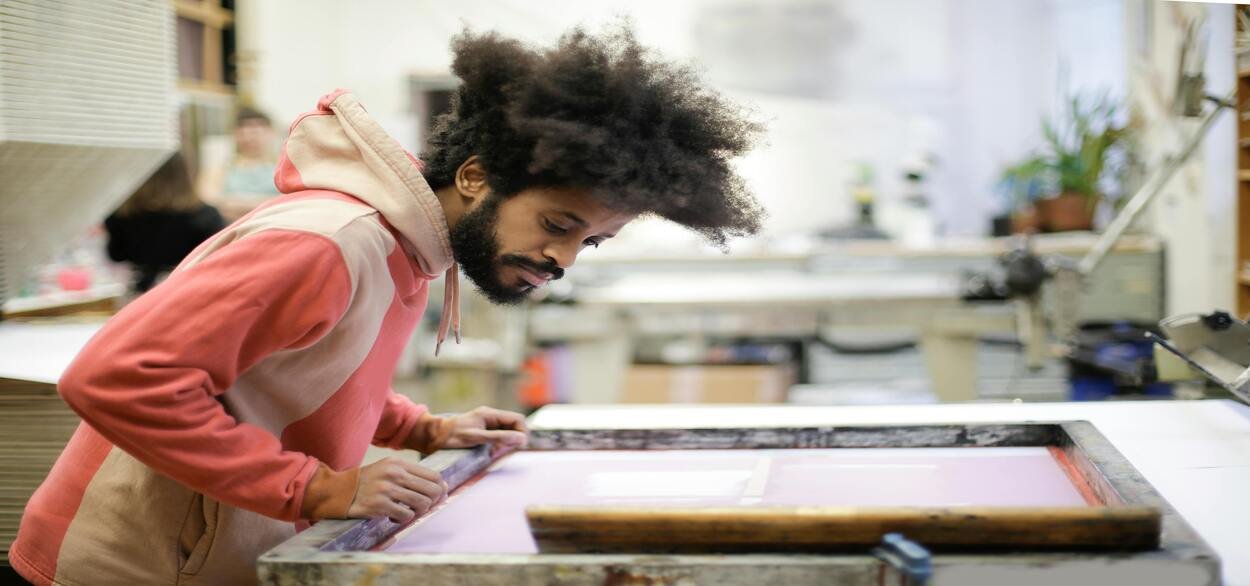
Have you ever noticed those bright, colorful designs on shirts, mugs, or fabric?
They look natural and elegant, as if they’re part of the material itself.
That’s sublimation printing, a heat-based method that transfers dye directly into polyester fabrics or coated surfaces.
It is a favorite for crafters, small business owners, and custom apparel makers because the designs are vibrant, durable, and won’t peel, crack, or fade over time.
In this blog, I will explain everything you need to know about sublimation printing. You’ll know:
- What is sublimation printing
- How the printing process works
- The essential tools and supplies you’ll need
- Applications of sublimation printing
- Tips for achieving the best results
And much more.
So, let’s get started.
What is sublimation printing exactly?
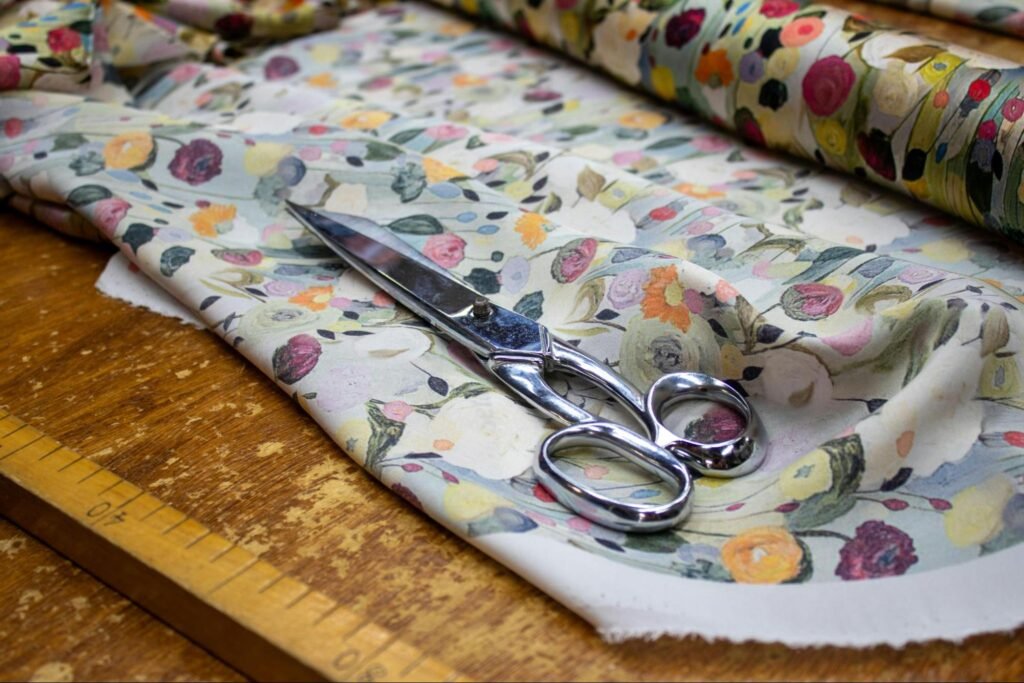
Sublimation printing, also called dye sublimation printing, is a technique that transfers designs using heat and pressure.
Unlike traditional printing methods that lay ink on top of a surface, sublimation allows the dye to penetrate the material itself.
The result?
Colors that are vibrant, permanent, and smooth to the touch.
The word sublimation comes from the scientific process where a solid dye turns directly into gas when heated, skipping the liquid stage.
And when this gas bonds with polyester fibers or coated surfaces, the design becomes part of the material.
This makes it perfect for printed custom apparel such as shirts, and even hard surfaces like mugs or phone cases.
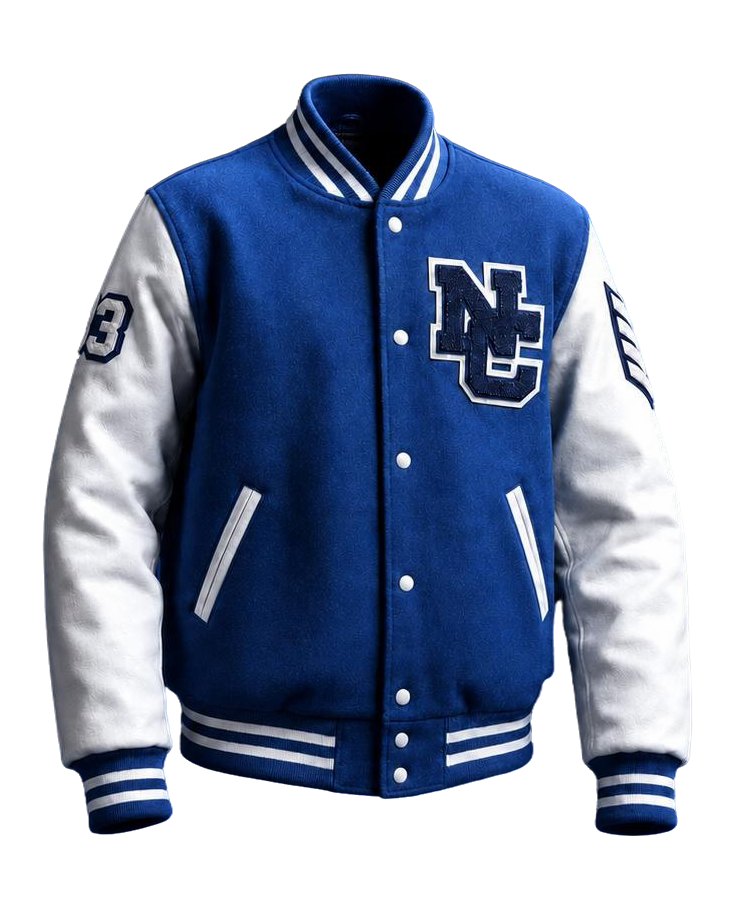
We create high-quality custom letterman jackets for your school, team, business, or organization that leave a lasting impression.
How did sublimation printing start?
Sublimation printing has roots in the mid-20th century when scientists discovered ways to transfer dyes using heat.
And it became popular in the custom apparel industry because it allowed for full-color designs without adding extra layers of ink or thread as seen in custom embroidery.
Today, sublimation prints are everywhere, from vibrant sports jerseys to personalized home décor, thanks to their durability and bright colors.
How does sublimation printing work?
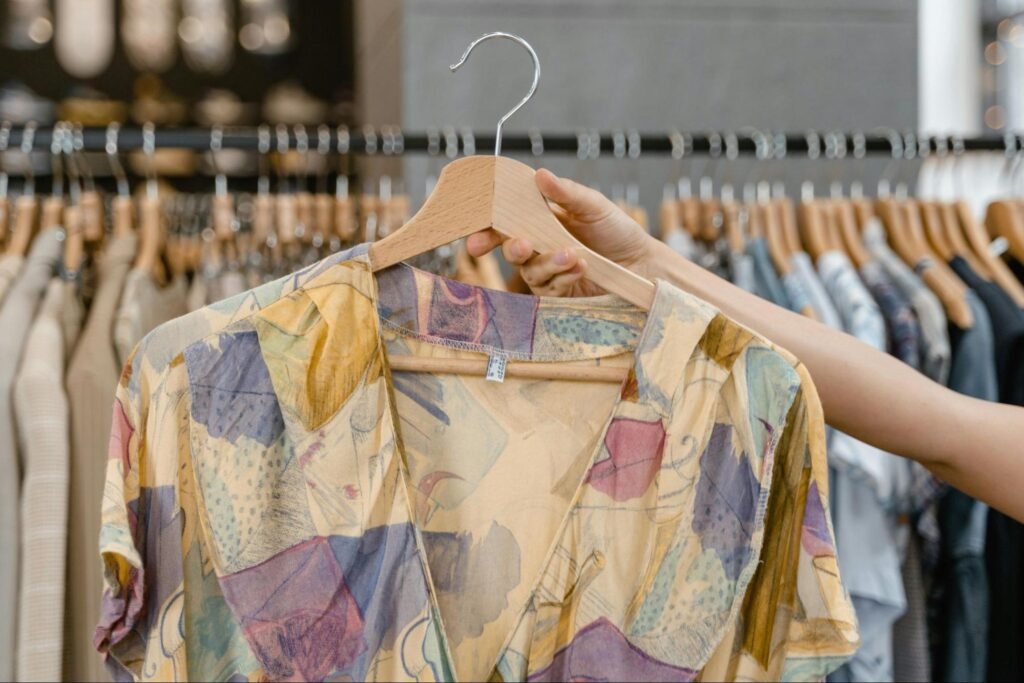
At its core, sublimated printing is a heat-based technique that turns solid dye into gas, allowing it to bond with fabric or coated surfaces. This results in vibrant, permanent designs that feel like they’re part of the material.
Let’s see how it works step by step.
1. Create or select a design
The first step is picking or making a design. You can use programs like Adobe Photoshop, Illustrator, or Canva to create something fun, colorful, or custom.
Think of it as planning your masterpiece, as this is where you choose colors, shapes, or photos.
You can even start with templates if you’re new, making it super easy to design something professional-looking.
2. Print on sublimation paper
Next, the design is printed in reverse onto sublimation paper using a dye sublimation printer. Here, printing in reverse is important so that it appears correctly on the final material.
The sublimation ink sits on the paper but will soon turn into gas under heat, ready to transfer the design onto your item. This step sets the stage for bright, long-lasting colors.
3. Prepare the material
Sublimation works best on polyester fabrics or items with special coatings.
But before pressing, make sure your surface is clean, smooth, and ready to accept the dye.
Wrinkles, dust, or oil can affect the final print. So, prepping your fabric or coated item ensures that every detail of your design comes out crisp and vibrant.
4. Heat transfer
Now it’s time to press. You can place the sublimation paper on your material and use a heat press to apply consistent heat and pressure.
The heat transforms the solid dye into a gas, which begins bonding with the fibers or coating.
This step is what makes sublimation printing unique, it literally infuses your design into the material.
5. Sublimation and bonding
Once the dye becomes gas, it penetrates the material and solidifies as it cools. This is why the design feels like it’s part of the fabric instead of sitting on top.
The colors are vibrant, smooth, and resistant to peeling, cracking, or fading. At this stage, your design is permanently bonded, ready for everyday use.
6. Final result
After removing the paper, you’re left with a flawless, permanent design that looks professional and feels smooth.
The colors stay bright wash after wash, and there’s no risk of peeling or cracking.
Whether it’s a shirt, mug, or pillow, sublimation printing delivers high-quality, full-color results that last.
In short, here’s how sublimation printing works:
| Step | What Happens | Key Details |
| 1. Create or Select a Design | Make or choose a digital design | Use software like Photoshop, Illustrator, or Canva; start with templates if new |
| 2. Print on Sublimation Paper | Print the design in reverse | Use a dye sublimation printer; ink sits on paper ready to transfer |
| 3. Prepare the Material | Ready the fabric or coated item | Clean, smooth, and wrinkle-free polyester or polymer-coated surfaces work best |
| 4. Heat Transfer | Apply heat and pressure | Heat press turns dye into gas, starting the bonding process |
| 5. Sublimation and Bonding | Dye penetrates and solidifies | Design becomes part of the material; colors stay vibrant and durable |
| 6. Final Result | Remove paper and reveal design | Permanent, smooth, professional-looking prints that won’t peel or fade |
Sublimation printing supplies: What will you need?
Getting started with sublimation printing doesn’t require a ton of equipment, but the right tools make all the difference.
Overall, here’s what you’ll need:
| Supply | Why You Need It |
| Dye sublimation printer | Specialized printer that works with sublimation ink |
| Sublimation ink | Turns into gas under heat and bonds with material |
| Sublimation paper | Transfers the ink from printer to item |
| Heat press | Applies heat and pressure to bond the design |
| Polyester fabric or coated items | Best surfaces for sublimation prints |
| Heat-resistant tape | Keeps paper in place during pressing |
With these supplies, you’re ready to create professional-quality sublimation printing on fabric and more.
What are the applications of sublimation printing?
One reason sublimation is so popular is its versatility. You can use this method on a wide variety of items, including:
- Shirts and apparel: Especially polyester t-shirts, jerseys, and sportswear
- Home décor: Pillow covers, blankets, wall art
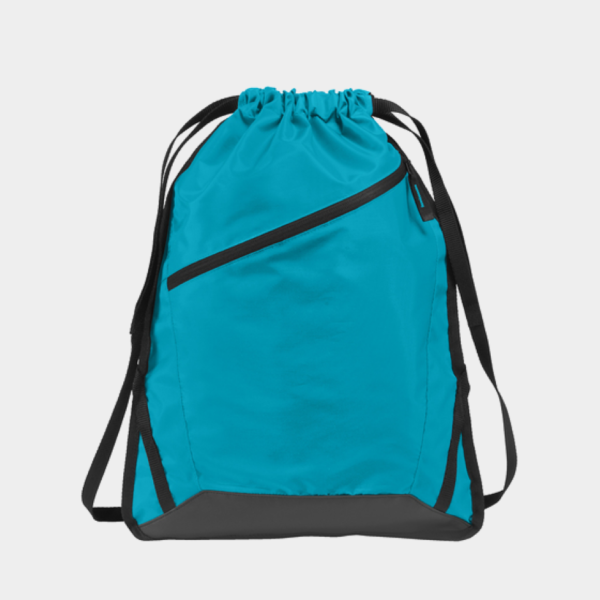
- Accessories: Bags, hats, phone cases
- Promotional items: Mugs, keychains, mousepads
- Custom gifts: Personalized items that last and look professional
In fact, whether you’re making sublimation prints for a business or a hobby, the results are always vibrant and durable.
Bonus: Here’s how sublimation differs from screen printing
| Feature | Sublimation | Screen Printing / Heat Transfer |
| Surface | Polyester or coated items | Any fabric, but ink sits on top |
| Durability | Permanent, no cracking | Can fade or peel over time |
| Color | Full-color, gradient-friendly | Limited color options |
| Texture | Smooth, part of material | Adds layer on top of fabric |
Who should try sublimation printing?
Sublimation printing isn’t just for pros or big businesses. It is for anyone who loves adding a personal touch to items or creating vibrant, custom designs.
The best part?
You don’t need years of experience to get started as sublimation makes it super easy to bring your ideas to life with colorful, durable prints.
Overall, here’s who can try sublimation printing:
1. Hobbyists
If you enjoy crafting or making personalized gifts, sublimation is perfect for you. You can print fun designs on mugs, pillows, shirts, or décor, making unique creations for friends, family, or your own home.
It is a simple way to turn your ideas into colorful, lasting items that feel professional without needing complicated equipment.
2. Small businesses
Small business owners can use sublimation printing to create custom screen printed t shirts that looks high-quality and professional.
From custom shirts to branded mugs or promotional items, sublimation allows you to offer products with vibrant colors and lasting designs.
It is a cost-effective way to expand your offerings and wow your customers with eye-catching creations.
3. Crafters
For crafters, sublimation opens up endless possibilities. You can experiment with different items like t-shirts, tote bags, or phone cases and try out your own creative designs.
The process is fun, fast, and forgiving, so you can learn while making products that look polished and ready to sell or gift.
4. Sports teams
Sublimation printing is great for sports teams because it produces durable, full-color jerseys that won’t peel or fade.
Logos, numbers, and team names stay bright even after repeated washing. It is ideal for uniforms, fan gear, or custom team merchandise, giving everyone a professional and coordinated look.
5. Beginners
Even if you’ve never printed before, sublimation is beginner-friendly.
You can start with simple designs on mugs, shirts, or small accessories, and practice using templates or digital designs.
With a little patience, you can quickly learn the process and create beautiful, long-lasting prints that feel professional from the very first project.
In short, here’s who should try sublimation printing:
| Type of Person | Why They’ll Like It |
| Hobbyists | Fun way to make custom gifts and décor |
| Small businesses | Professional-quality prints for merchandise |
| Crafters | Experiment with shirts, mugs, and accessories |
| Sports teams | Durable and vibrant jerseys |
| Beginners | Easy to learn with practice and digital designs |
We create high-quality custom letterman jackets for your school, team, business, or organization that leave a lasting impression.
Final words
By now, you should have a good understanding of what is sublimation printing and why it has become such a favorite for creating bright, long-lasting designs.
From shirts and fabric to mugs and accessories, sublimation lets your ideas shine with colors that stay vibrant wash after wash.
The best part?
It works for beginners, hobbyists, small businesses, and anyone who wants professional-looking results without complicated setups.
Got more questions or want high-quality custom screen printed apparel?
You can get in touch with us!
At Five Star Apparel, we make custom screen printing easy and reliable. Whether you’re creating bold team apparel, personalized gifts, or branded merchandise, we help your designs come to life with vibrant, durable prints that last for years.
FAQs about sublimation printing
What is sublimation printing?
Sublimation printing is a heat-based method that turns solid dye into gas, which then bonds with polyester fibers or coated surfaces.
This makes the design permanent, vibrant, and smooth to the touch. Unlike regular printing, sublimation prints don’t sit on top of the material, they become part of it, giving you long-lasting, professional-looking results every time.
What materials work best for sublimation printing?
Sublimation works best on polyester fabrics or items with special polymer coatings. These surfaces allow the dye to fully absorb and create vibrant, permanent colors.
What is the best dye sublimation printer?
Some of the most reliable options for dye sublimation printing include the Sawgrass Virtuoso series and Epson EcoTank models with sublimation ink. These printers deliver sharp, vibrant, and consistent results.
Can I do sublimation printing on shirts?
Yes!
Sublimation printing on shirts works best with polyester or high-poly blend fabrics. These materials absorb the dye, creating a permanent, smooth design that won’t fade or peel.
Cotton shirts don’t work well with sublimation, but polyester shirts or blends give bright, full-color results perfect for custom apparel, sports jerseys, or personalized gifts.
What is the difference between sublimation print and regular print?
The main difference is that sublimation infuses dye into the material, making it permanent, smooth, and fade-resistant.
Regular prints, like screen printing or heat transfers, sit on top of the fabric and can crack, peel, or fade over time.
Sublimation prints feel soft, last longer, and keep colors vibrant, even after repeated washing.
Is sublimation printing good for beginners?
Absolutely!
Sublimation printing is beginner-friendly with the right supplies, like a heat press, sublimation paper, and polyester fabrics.
You can start with simple designs like mugs, shirts, or small accessories, and practice with templates or digital artwork.
With a little patience, even beginners can create professional-looking, vibrant prints quickly and enjoyably.
Anna Freeman is the owner of 5 Star Apparel. With over 20 years of industry experience, she brings expert insights on embroidery, screen printing, and branded apparel, helping businesses and organizations bring their ideas to life with confidence and style.