10 Different Types Of Embroidery Stitches You Should Know About

Written By
Anna Freeman

If you’re considering embroidery for your business, it might seem simple at first look. After all, you’re just getting a logo stitched onto fabric.
But there’s actually a lot more going on behind the scenes.
The clean lines on a company polo, the bold logo on a hat, or the polished branding on a jacket all come from carefully chosen custom embroidery stitches.
In fact, each stitch has a specific purpose. While some create smooth, shiny lettering, others fill large areas with color.
Also, some stitches add the structure that keeps the design looking sharp over time.
This is important because if you choose the wrong stitch, your logo can look uneven, bulky, or even wear out faster.
In this blog, I will walk you through the ten different types of embroidery stitches most common for business logos. You will also learn:
- Why different stitches are used in logos
- How they impact your final design
So, let’s get started.
First, what are embroidery stitches?
Embroidery stitches are basically the little patterns of thread that come together to make a design on fabric.
You can think of them like building blocks where each stitch has a job, and when combined, they create a finished, professional look.
Here, different stitches are used for different purposes. Some are used for outlining shapes or letters, others for filling in large areas with color, and some are used just to add texture and make a design pop.
From embroidery to screen printing and custom patches, we help you create high-quality custom apparel that stands out.
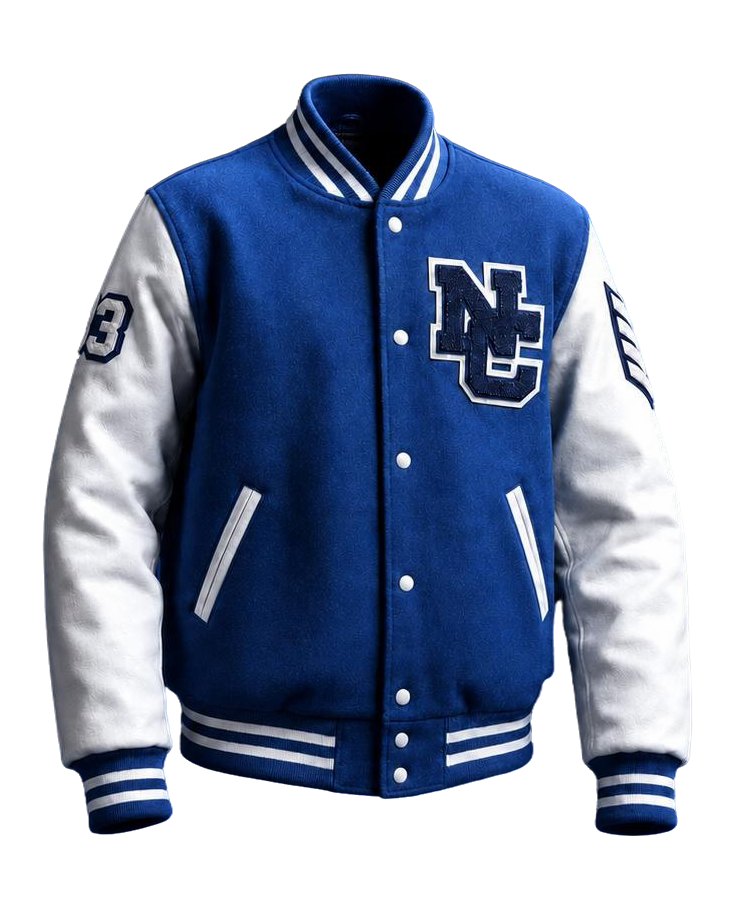
Here are the 10 most common types of embroidery stitches
1. Satin stitch
The satin stitch is one of the most popular embroidery stitches, and for good reason.
It uses long, smooth threads that are placed closely together to create a shiny, polished surface. This makes it perfect for small shapes, lettering, or the outlines of logos.
The stitch gives designs a sleek, professional look that really stands out on polos, hats, or jackets.
Also, satin stitches are great because they make colors pop and give a slightly raised, luxurious texture.
A lot of businesses use satin stitches to create puff embroidery for their branding because it instantly looks raised, clean, and high-quality, making their logo or text feel premium.
2. Fill stitch (also called tatami stitch)
The fill stitch, also called tatami stitch, is designed to cover large areas of a design evenly.
Here, instead of long smooth threads like satin, it uses short, patterned stitches that create a textured surface. This helps prevent fabric from puckering or stretching, keeping your design flat and neat.
Fill stitches are commonly used for big logo backgrounds or sections of a design that need solid coverage. They give embroidery a stable, professional finish and make large areas look intentional and smooth.
Without a fill stitch, big designs might look messy or uneven, meaning it’s a crucial stitch for almost any sizable embroidered logo.
3. Running stitch
The running stitch is one of the simplest stitches, but it plays an important role in embroidery. It looks like a thin, dashed line, and is often used for fine details, small outlines, or underlay stitching that supports other stitches.
Although it is subtle, it helps define shapes and provides a guide for more complex stitches like satin or fill.
Running stitches are quick to sew and use less thread, which makes them practical for light designs or intricate patterns.
They’re not flashy, but their precision can make a big difference in how clean and sharp a finished embroidery design looks.
4. Back stitch
The back stitch creates a solid, continuous line, which makes it perfect for detailed outlines or text accents. Also, unlike the running stitch, it doesn’t have gaps, so designs look sharper and more defined.
It is commonly used when precision is important, like in small lettering, detailed logos, or decorative edges.
Back stitches are stronger and more durable than running stitches, so they hold up well over time. They also give embroidery a clean, professional appearance without adding bulk.
Even though they’re simple, back stitches help make designs look polished, making every line crisp and easy to see, even on small or intricate patterns.
5. Chain stitch
The chain stitch is easy to recognize because it forms a linked, chain-like pattern. It is often used for decorative effects or vintage-style designs, giving embroidery a unique, handcrafted look.
Chain stitches work well for lettering, borders, or logos that need texture and visual interest. They add a raised, textured feel that stands out from smoother stitches like satin.
A lot of designers use chain stitches to create stylish, eye-catching details that make a logo feel special.
While it is less common in corporate embroidery for small text, it is perfect when you want your design to have a slightly artistic or playful touch without compromising professionalism.
6. Zigzag stitch
As the name suggests, the zigzag stitch creates a zigzag pattern along the fabric.
It is a versatile stitch that’s often used to secure edges, prevent fraying, or add a bit of stretch to the design. While it is practical and functional, it can also be decorative in some patterns.
The zigzag stitch is commonly seen on hems, patches, and sportswear because it helps keep the fabric stable, especially on stretchy or delicate materials.
Unlike satin or fill stitches, zigzag stitches aren’t usually used for logos themselves. But they play a crucial role in keeping your design neat, secure, and long-lasting.
7. Cross stitch
The cross stitch forms a classic ‘X’ pattern and is often used in traditional embroidery styles.
And while it’s not very common in corporate logos, it is great for creating texture, patterns, or a handmade aesthetic.
Cross stitches can add a playful or vintage touch, making designs feel more personal and detailed. They’re especially popular in craft projects, home décor, and heritage designs.
Even though cross stitches are simple, they take a bit more time to create intricate patterns. But if you use them strategically, you can make a design stand out with a unique texture that you can actually see and feel on the fabric.
8. French knot
A French knot is a small, raised knot that adds dimension to embroidery designs. It is often used for tiny decorative accents, eyes in characters, flower centers, or special details.
French knots create a cute, textured effect that draws attention, even in small areas.
While they’re rarely used for large corporate logos, they’re perfect for adding a little pop or unique character to a design.
They do require a bit of skill because the knot needs to be tight and even. But when done well, French knots add depth and charm, giving embroidery a handcrafted, detailed feel that makes a design look extra special.
9. Appliqué stitch
Appliqué stitching isn’t just about thread, it involves stitching one piece of fabric onto another to create part of a design.
This is great for large logos, sports team apparel, or bold designs because it reduces the number of stitches needed while still creating a striking, layered look.
Appliqué embroidery allows for big, colorful designs without making the fabric too heavy or dense. That’s because the stitches secure the fabric in place while also adding texture.
It is a popular choice for jackets, hats, and team uniforms because it gives designs a bold, professional appearance that’s durable, eye-catching, and clean.
10. Underlay stitch
Underlay stitches might not be visible in the final design, but they are extremely important. That’s because they go underneath the main stitches and provide fabric stability, prevent shifting, and improve the final look of embroidery.
Think of them as the foundation of your design. Without proper underlay, even high-quality threads can look uneven or messy on fabric.
Also, underlay stitches help with durability, ensuring that letters, logos, or shapes hold their form over time.
Most professional embroidery combines underlay stitches with other stitch types, like satin or fill, to create clean, smooth, and long-lasting results that look polished from every angle.
In short, here are all the different types of embroidery stitching:
| Stitch Type | Best For | Appearance |
| Satin Stitch | Letters & outlines | Smooth, shiny |
| Fill (Tatami) | Large areas | Textured, dense |
| Running Stitch | Fine detail | Thin, subtle |
| Back Stitch | Defined outlines | Solid line |
| Chain Stitch | Decorative text | Textured chain look |
| Zigzag Stitch | Edges & stretch areas | Functional |
| Cross Stitch | Traditional designs | X-shaped texture |
| French Knot | Small accents | Raised knot |
| Appliqué | Large bold logos | Layered fabric look |
| Underlay Stitch | Base stabilization | Hidden support |
Which type of embroidery stitch is best for business branding?
When it comes to business logos, some stitches are used more often because they give the cleanest, most professional results.
The most common ones are:
- Satin stitch: Perfect for crisp, clear lettering on garments like letterman jackets to make them stands out.
- Fill stitch: Great for filling in logo shapes or larger areas evenly.
- Underlay stitch: Works behind the scenes to stabilize the fabric and keep the design looking sharp.
These stitches are often combined to create a polished and durable finish. This combination works well on:
- Polos
- Jackets
- Hats
- Uniforms
Here, the idea isn’t to pick just one stitch, it’s about using the right mix so your logo looks clean, professional, and lasts a long time.
From embroidery to screen printing and custom patches, we help you create high-quality custom apparel that stands out.
Final words
By now, I am sure you know everything about the different types of embroidery stitches.
You see, embroidery stitching isn’t just thread on fabric. It is a carefully structured process using multiple stitch types to create a durable, professional result.
Got more questions or want to bring your logo to life with high-quality custom embroidery
We are here to help!
At Five Star Apparel, we are seasoned in custom apparel printing. From digitizing your design to selecting the perfect stitch combinations, our team ensures your apparel looks sharp, professional, and built to last.
FAQs about types of embroidery stitches
What is the most common embroidery stitch for logos?
The satin stitch is the go-to stitch for most logos, especially for lettering and outlining shapes.
It creates long, smooth stitches placed close together, giving a shiny, polished look. This makes text and small design elements stand out clearly.
It is popular because it makes logos look professional and high-quality, whether they’re on hats, jackets, polos, or uniforms.
What stitch is used for large embroidered areas?
For covering bigger areas of a design, the fill stitch, also called a tatami stitch, is the best choice.
Instead of long smooth threads, it uses shorter, patterned stitches to fill the space evenly. This keeps the fabric from puckering and helps the design lay flat. It’s ideal for logo backgrounds or any large sections of your design.
Does stitch type affect durability?
Yes, stitch type plays a big role in how long your embroidery lasts. Using the right stitches ensures the design stays smooth, even, and strong over time.
For instance, underlay stitches stabilize the fabric, satin and fill stitches create structure, and back stitches help define edges.
Can multiple stitch types be used in one logo?
Absolutely! Most professional embroidery designs combine several stitch types to get the best result.
For instance, satin stitches are used for lettering, fill stitches for bigger shapes, and underlay stitches to stabilize the fabric.
Combining stitches makes the design more detailed, durable, and visually appealing. A single stitch type often isn’t enough to create a polished, long-lasting logo.
Do I need to choose the stitch type myself?
Not really.
When you work with a professional embroidery company, they usually decide the best stitch types for your design and fabric. They know how to mix satin, fill, underlay, and other stitches to make your logo look sharp and last longer.
You just need to provide your design, and they’ll handle the technical side to get a clean, professional finish.
Anna Freeman is the owner of 5 Star Apparel. With over 20 years of industry experience, she brings expert insights on embroidery, screen printing, and branded apparel, helping businesses and organizations bring their ideas to life with confidence and style.