Hoodie Vs Sweatshirt: What’s The Difference And Which Is Better For Custom Patchwork?

Written By
Anna Freeman
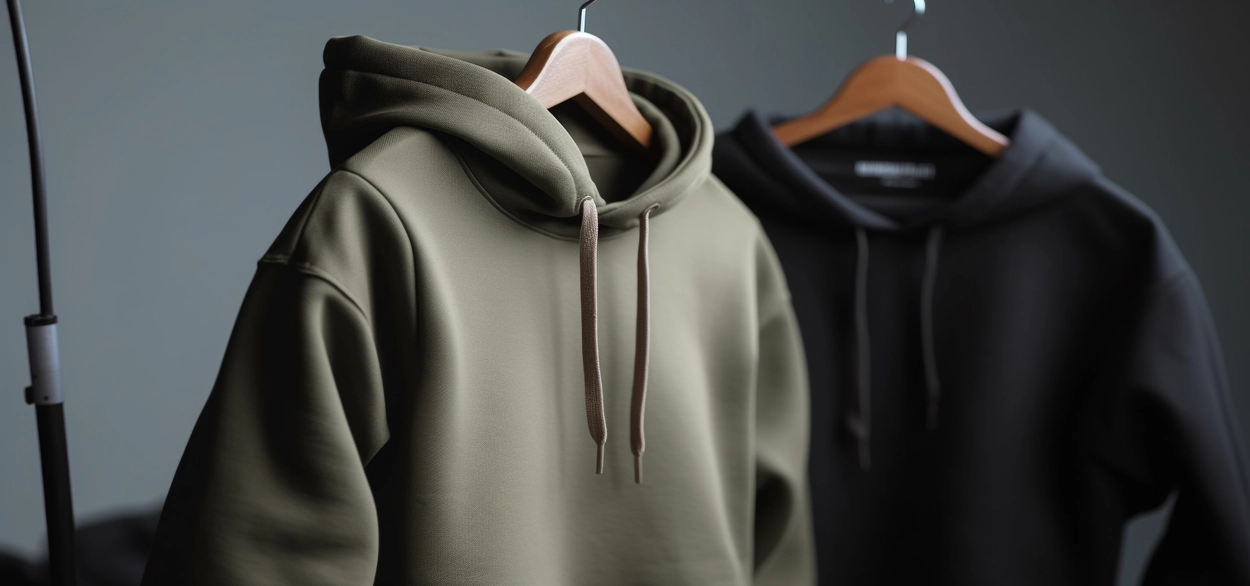
Hoodies and sweatshirts are by far the most popular custom apparel choices for businesses, sports teams, schools, and organizations.
They’re both comfortable, versatile, and perfect for showcasing your brand. Plus, they can both be customized with embroidered logos, custom patches, and other branding elements.
But hoodies and sweatshirts are not exactly the same. Meaning how your finished apparel looks, feels, and functions can be very different for both.
For instance, businesses prefer hoodies because they offer a more casual, modern look and provide extra warmth.
Similarly, sweatshirts are favorites for such businesses that prefer a cleaner appearance with logos and custom patches standing out more prominently.
Now, if you’re wondering how to decide between a hoodie vs sweatshirt for your brand, I have explained it all in this blog.
So, read on to know:
- What is a hoodie
- What is a sweatshirt
- The difference between hoodie and sweatshirt
- Which garment works better for custom patchwork
- Which option is better for business uniforms and branded apparel
- How to choose the right option for your business
Key takeaways
- Hoodies and sweatshirts are similar garments, but they have several differences.
- A hoodie includes a hood and often a front pocket, while a sweatshirt has a crew neckline without a hood.
- Both garments work well for custom embroidery and custom patches.
- Sweatshirts provide a cleaner surface for displaying logos and patches.
- Hoodies offer additional warmth and a more casual appearance.
- The best choice depends on your branding goals, audience, and how the apparel will be used.
- Most businesses choose hoodies for promotional apparel and sweatshirts for employee uniforms and professional branding.
What is a hoodie?
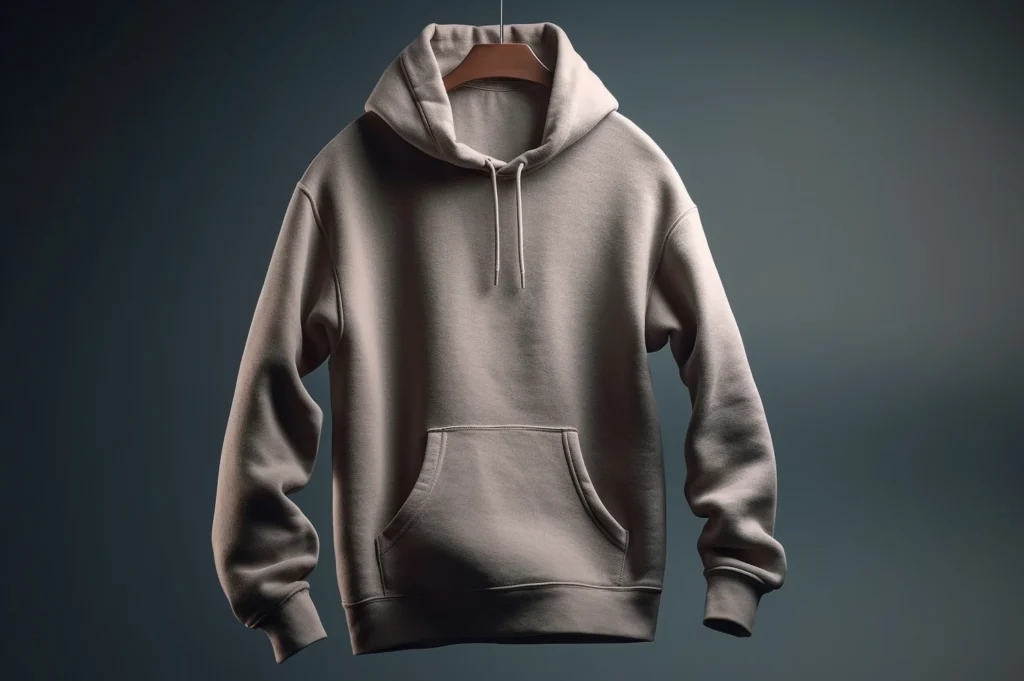
A hoodie is a long-sleeved sweatshirt that includes an attached hood. Also, hoodies feature a large front kangaroo pocket, although zip-up hoodies usually have two front pockets instead.
Originally designed as practical workwear for people working in cold environments, hoodies have evolved into one of the most popular apparel choices for businesses, schools, sports teams, and clothing brands.
Today, custom hoodies are commonly used for:
- Employee apparel
- Company merchandise
- School spirit wear
- Sports teams
- Promotional giveaways
Not to mention retail clothing brands also manufacture hoodies because they are popular across age groups and almost always in demand.
Now, one of the biggest reasons businesses choose hoodies is their versatility. They provide warmth, are comfortable to wear throughout the day, and create a relaxed, modern appearance that appeals to a wide range of people.
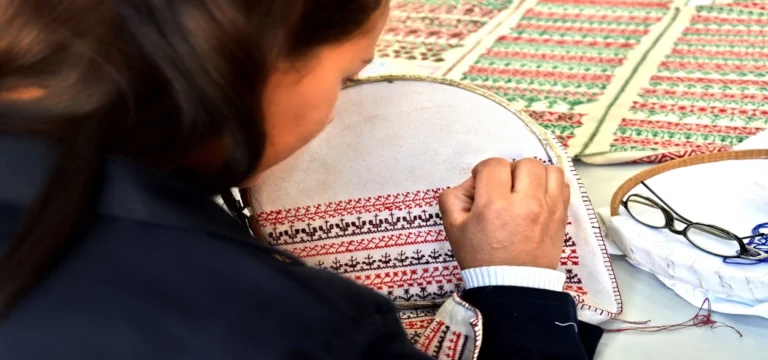
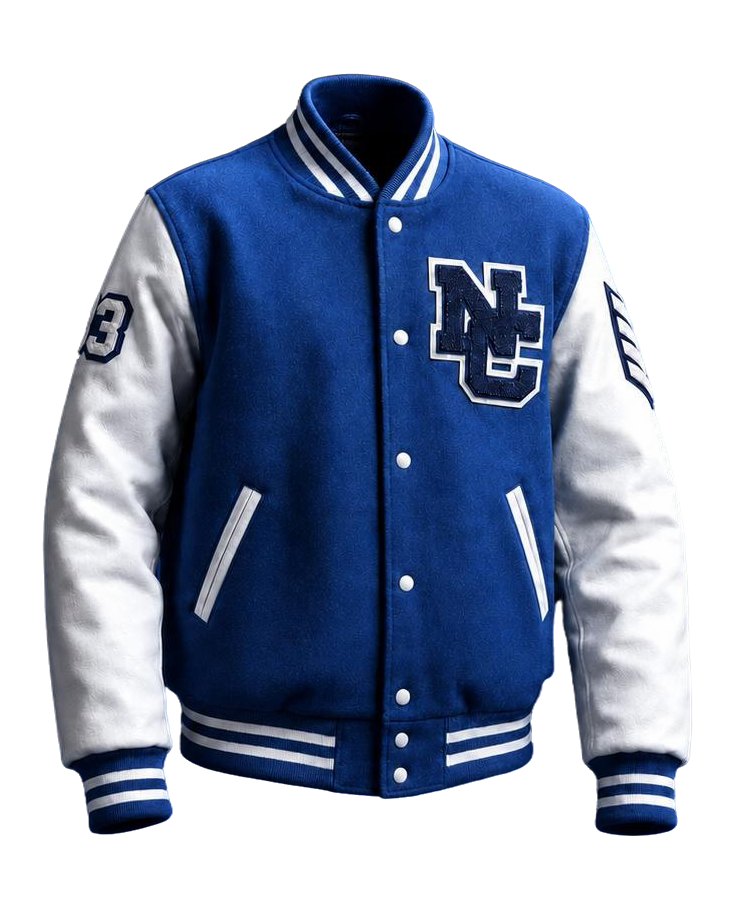
From custom logo embroidery to branded apparel and patches, we deliver high-quality embroidery tailored to your unique needs.
How are hoodies made?
Hoodies are made using cotton, polyester, or a blend of both. The fabric is cut into individual panels before being sewn together to form the body, sleeves, and hood. Additional features like drawstrings, pockets, and zippers (for zip-up styles) are then added.
Once the garment is complete, it can be customized using embroidered or woven patches, screen printing, or heat transfers on the desired look.
What is a sweatshirt?

A sweatshirt is another long-sleeved garment made from soft, comfortable fabric. However, unlike a hoodie, it doesn’t include a hood or front pocket.
Instead, most sweatshirts feature a classic crew neckline that creates a clean and simple appearance.
It is because of this streamlined design that sweatshirts have remained a popular choice for both casual wear and professional branded apparel.
Businesses use custom sweatshirts for:
- Employee uniforms
- Corporate events
- Team apparel
- Company giveaways
- Branded merchandise
One of the biggest advantages of sweatshirts is their clean front and back surfaces. Without a hood or pocket interrupting the design, logos, embroidered patches, and custom artwork become the main focus of the garment.
How are sweatshirts made?
The making of sweatshirts is similar to hoodies and it also uses cotton, polyester, or blended fleece fabrics.
After the fabric panels are cut, they’re sewn together to create the body and sleeves before ribbed cuffs, waistbands, and the crew neckline are attached.
Once assembled, the sweatshirt is ready for customization using embroidery, printing, or custom patches.
Hoodie vs sweatshirt: What are the differences?
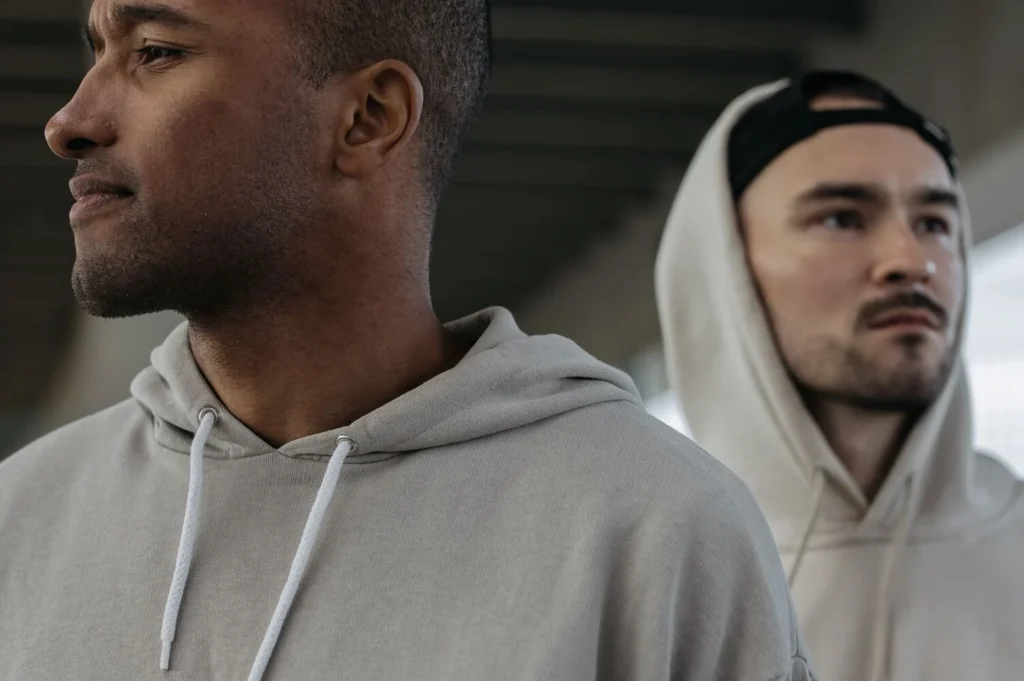
While both garments are made from similar materials and provide excellent comfort, there are several differences in how they feel, look, and suit your business branding needs.
Here are some of the biggest differences between hoodie vs sweatshirt:
1. Overall design
The most noticeable difference between sweatshirt and hoodie is the design.
A hoodie includes an attached hood, and many styles also feature drawstrings and a kangaroo pocket or zipper.
A sweatshirt keeps things much simpler. It has a crew neckline without a hood, giving it a cleaner and more minimal appearance.
Now, neither design is better. It simply depends on the style you’re looking for.
For instance, if you want a casual, laid-back look, hoodies are often the better choice. But if you want something more polished and professional, sweatshirts usually create a cleaner overall appearance.
2. Warmth
Both hoodies and sweatshirts provide excellent warmth, especially when made from heavyweight fleece fabrics.
However, hoodies do offer one small advantage. The attached hood provides extra protection for your head and neck, making hoodies a popular option for cooler weather or outdoor work environments.
That said, it’s the fabric that has a bigger impact on warmth than the garment includes a hood. So two garments made from the same heavyweight fleece will feel very similar, with the hoodie simply offering a little extra coverage.
3. Style and appearance
Another big sweatshirt and hoodies difference is how they generally appear.
Hoodies are associated with:
- Casual wear
- Streetwear
- Outdoor activities
- Team apparel
- Promotional merchandise
Sweatshirts, on the other hand, create a more refined look that’s often preferred for:
- Employee uniforms
- Office casual wear
- Corporate events
- Business branding
- Professional organizations
Simply put, hoodies feel more relaxed, while sweatshirts often appear a little more polished.
4. Comfort
When it comes to comfort, there’s very little difference between hoodie and sweatshirt. That’s because both garments are designed to be soft, warm, and comfortable enough for everyday wear.
The biggest difference, however, comes down to personal preference.
Some people like the extra warmth and convenience of a hood, especially during colder months. Others prefer the lighter, less bulky feel of a crewneck sweatshirt.
5. Compatibility for custom patch making
If you’re ordering custom apparel for your business, the garment itself is only part of the decision. You also need to think about how your logo or patch will look once it’s attached.
And this is where the hoodie vs sweatshirt differences become much more prominent.
You see, both garments work well with embroidered patches, woven patches, and other custom branding options.
But with very few design interruptions, sweatshirts have an edge, thanks to their clean front and back. This gives you more flexibility when placing patches on the chest, sleeve, or back.
Hoodies also offer plenty of customization opportunities. But features like the hood, front pocket, and drawstrings sometimes downsize the patch.
6. Logo visibility and patch placement
One of the biggest factors businesses overlook is where their logo will actually be placed.
A great-looking patch can lose some of its impact if it’s positioned on a part of the garment that’s interrupted by seams, pockets, or other features.
Here’s how hoodie vs sweatshirt compare in terms of logo visibility and placement:
Sweatshirts
SInce sweatshirts have a smooth, uninterrupted front, they’re ideal for:
- Left chest patches
- Large center chest logos
- Sleeve patches
- Back patches
- Employee name patches
This clean layout helps logos remain the main focal point of the garment.
Hoodies
Hoodies also offer several great placement options, including:
- Left chest patches
- Sleeve patches
- Upper back patches
- Hood embroidery
- Large back logos
However, the kangaroo pocket can limit space for larger front designs, while the hood might partially cover artwork placed high on the back.
7. Compatibility with different patch types
Another question businesses often ask is whether certain patch styles work better on hoodies or sweatshirts.
The answer depends more on your branding goals than the garment itself.
Embroidered patches create a raised, textured appearance that stands out beautifully on both hoodies and sweatshirts.
Woven patches work better on sweatshirts if your logo includes small lettering, fine lines, or intricate artwork because they capture more detail in a small area.
Other patch options, such as leather patches, chenille patches, or applique embroidery patches work well on both the garments and can create a distinctive look.
In short, here are all the differences between hoodie vs sweatshirt:
| Feature | Hoodie | Sweatshirt |
| Hood | Yes | No |
| Front Pocket | Usually | No |
| Style | Casual and relaxed | Clean and classic |
| Warmth | Slightly warmer | Warm |
| Logo Visibility | Very good | Excellent |
| Patch Placement | Very good | Excellent |
| Professional Appearance | Good | Excellent |
| Best For | Casual branding and merchandise | Business uniforms and corporate apparel |
Sweatshirt vs hoodie: Which one is better for your business?
When comparing sweatshirts vs hoodies, the better option always depends on how your apparel will be used and the image you want your brand to create.
For instance, if you’re designing employee apparel for an office, retail store, or customer-facing business, sweatshirts create a cleaner and more professional appearance.
On the other hand, if you’re creating promotional merchandise, company gifts, or apparel for outdoor teams, hoodies offer extra comfort while giving your brand a more relaxed, modern look.
So your end goal should be to choose a garment that fits both your audience and your branding goals.
From custom logo embroidery to branded apparel and patches, we deliver high-quality embroidery tailored to your unique needs.
Here’s when you should choose a hoodie:
| Use Case | Why It Works |
| Promotional merchandise | Popular and comfortable for everyday wear |
| Company gifts | Employees and customers enjoy wearing them casually |
| Outdoor work | Provides extra warmth and coverage |
| Schools and sports teams | Creates a relaxed, team-oriented look |
| Lifestyle brands | Matches modern, casual branding |
Here’s when you should choose a sweatshirt:
| Use Case | Why It Works |
| Employee uniforms | Creates a clean, professional appearance |
| Corporate events | Looks polished while remaining comfortable |
| Retail staff | Keeps branding highly visible |
| Service businesses | Offers a classic, uniform look |
| Large embroidered patches | Provides a smooth surface for logos and patches |
Final words
As you can see, the difference between a hoodie vs sweatshirt goes beyond just having a hood.
While both garments are comfortable, durable, and excellent choices for custom apparel, they each serve different purposes.
Hoodies offer a more casual look with added warmth, making them ideal for promotional merchandise, company gifts, schools, and outdoor teams.
Sweatshirts, on the other hand, provide a cleaner and more professional appearance that’s perfect for employee uniforms, corporate branding, and businesses that want their logos to take center stage.
Neither option is automatically better. The right choice depends on your logo, your audience, and how the apparel will be worn.
Got more questions or looking for custom apparel printing in Shingle Springs?
You can get in touch with us!
At 5 Star Apparel, we help businesses create high-quality custom apparel that makes a lasting impression.
From custom embroidered patches and woven patches to branded hoodies, sweatshirts, uniforms, and promotional apparel, we’ll help you choose the right products to showcase your brand with confidence.
Frequently asked questions about hoodie vs sweatshirt
What is the difference between hoodie and sweatshirt?
The biggest difference is that a hoodie includes an attached hood, while a sweatshirt has a crew neckline without a hood.
Many hoodies also feature a kangaroo pocket or zipper, whereas sweatshirts typically have a simpler, cleaner design.
Is a hoodie warmer than a sweatshirt?
Generally, yes.
Since hoodies include a hood, they provide a little extra warmth around your head and neck.
However, the fabric weight and material usually have a bigger impact on overall warmth than the presence of a hood.
Which is better between sweatshirt vs hoodie?
Neither is universally better.
If you want a casual, modern look with added warmth, a hoodie is a great choice.
If you prefer a cleaner, more professional appearance for business uniforms or branded apparel, a sweatshirt is often the better option.
Are hoodies and sweatshirts made from the same materials?
Often, yes.
Both garments are commonly made from cotton, polyester, fleece, or cotton-polyester blends. The exact material depends on the manufacturer and the intended use of the apparel.
Which is better for custom patches?
Both garments work well for custom patches.
However, sweatshirts provide a smoother surface that allows embroidered and woven patches to stand out more clearly.
Hoodies also work well but might require more careful patch placement because of features like the hood and front pocket.
Can you put embroidered patches on hoodies?
Absolutely.
A lot of different embroidery stitch types can be applied to hoodies on the chest, sleeves, or back.
Are sweatshirts better for business uniforms?
In many cases, yes.
Sweatshirts offer a clean, professional appearance that works well for employee uniforms. They also provide an excellent surface for displaying company logos, embroidered patches, and other branding elements.
Can the same logo be used on both a hoodie and a sweatshirt?
Yes.
Most business logos can be customized on either garment.
However, the size, placement, and type of patch or embroidery would need to be adjusted slightly to achieve the best appearance on each style.
Anna Freeman is the owner of 5 Star Apparel. With over 20 years of industry experience, she brings expert insights on embroidery, screen printing, and branded apparel, helping businesses and organizations bring their ideas to life with confidence and style.