What Is Applique Embroidery And What Are Its Uses?

Written By
Anna Freeman
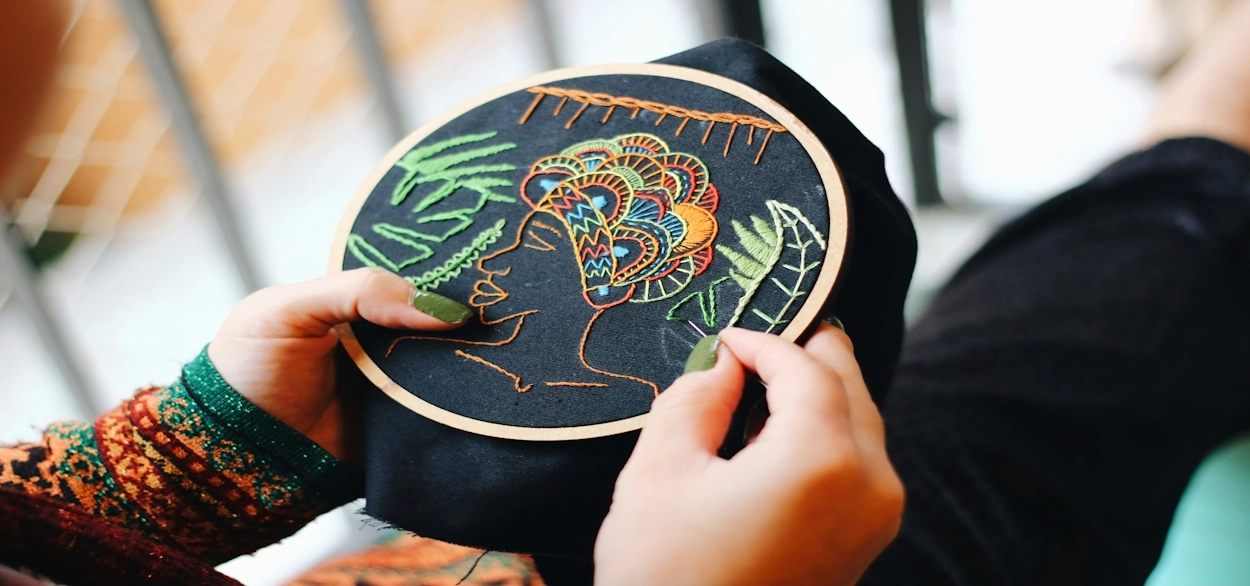
Out of all the different embroidery techniques available today, applique embroidery is among the most popular.
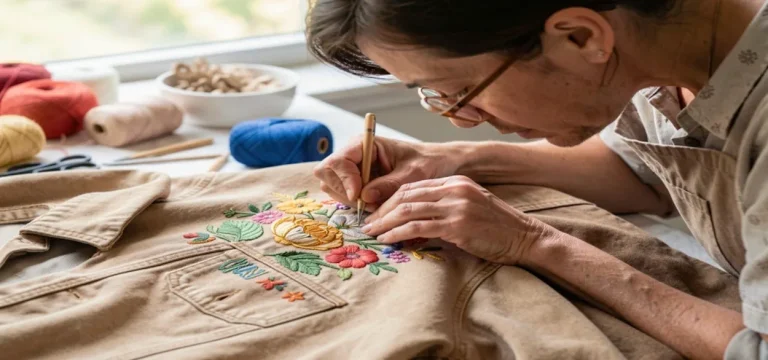
This is one such type of embroidery that combines fabric and embroidery together. Here, instead of creating an entire design with thread alone, pieces of fabric are stitched onto a garment and then secured with decorative embroidery stitches.
That’s exactly why applique embroidered apparel have a unique look that’s bold, textured, and visually appealing.
Now, if you’re new to embroidery, chances are you’ve heard about applique apparel without fully understanding what it means.
So, in this blog, I will explain exactly what is applique in embroidery and why it has become such a popular choice for apparel decoration. Read on to know:
- What is applique embroidery
- How applique embroidered apparel are made
- The fabrics used for embroidery
- Common uses of apparel with applique
- And when you should choose applique over traditional embroidery
Key takeaways
- Applique embroidered apparel combine fabric pieces with embroidery stitching
- Applique is commonly used for large letters, logos, and decorative designs
- Several fabric types can be used for embroidery applique
- Applique often requires fewer stitches than traditional embroidery
- It is especially popular for jackets, team apparel, and custom clothing
What is applique embroidery exactly?
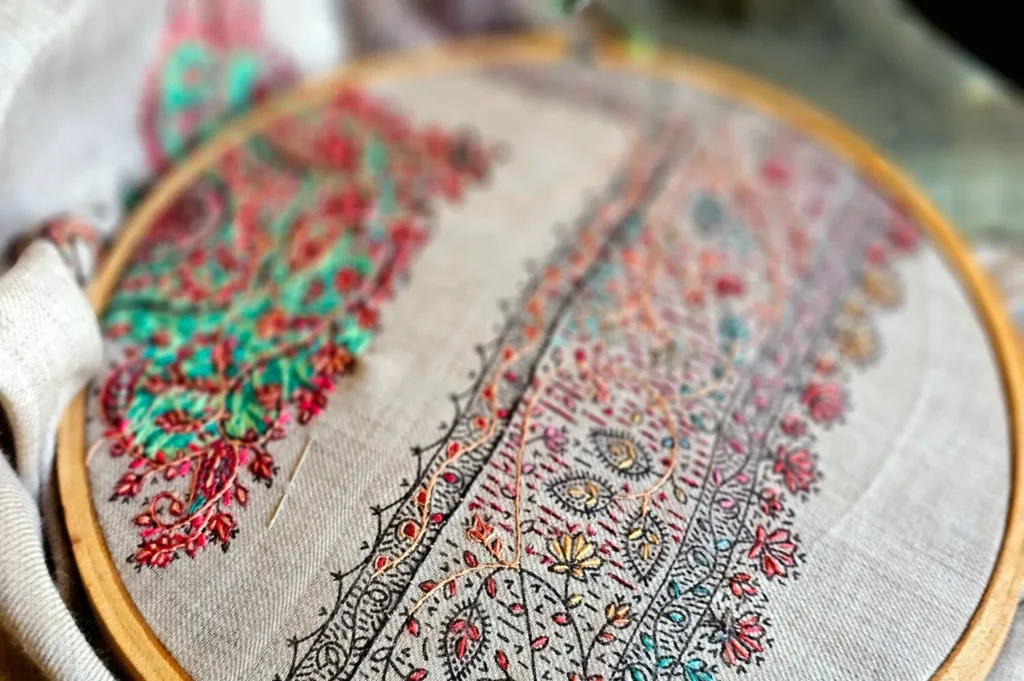
For starters, applique embroidery is a decorative embroidery technique where pieces of fabric are attached to a base material and then secured with embroidery stitches.
Interestingly, the word applique comes from a French term that means ‘to apply.’
And that’s exactly what is happening here.
A separate piece of fabric is applied to the surface of another fabric and then stitched into place.
You see, instead of filling a large design entirely with embroidery thread, applique uses fabric to cover much of the design area. Embroidery stitches are then used around the edges to hold everything securely in place.
This creates a design that is both decorative and practical.
For instance, if you wanted to create a large letter ‘A’ on a jacket, traditional embroidery would require thousands of stitches to fill the entire letter.
However, with embroidery applique, a fabric letter is first placed on the garment. And then the embroidery machine stitches around the edges to secure it.
You’ll often find applique embroidered designs on:
- Letterman jackets
- School apparel
- Team uniforms
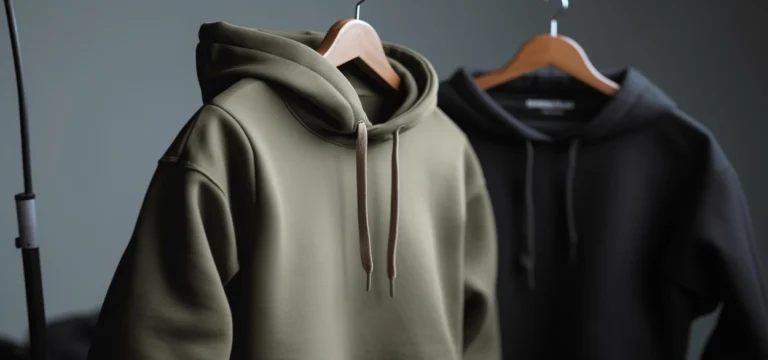
- Hoodies
- Sweatshirts
- Decorative fashion garments
From custom logo embroidery to branded apparel and patches, we deliver high-quality embroidery tailored to your unique needs.
How is applique different from regular embroidery work?
One of the biggest misconceptions about applique embroidered apparel is that it’s simply another form of traditional embroidery. While the two techniques are related, they’re actually quite different.
You see, traditional custom embroidery creates a design using embroidery thread alone. Here, every letter, logo, shape, or graphic is stitched directly onto the garment using thousands of individual stitches.
Applique works differently with fabric becoming part of the design itself.
Here, instead of filling large areas with thread, pieces of fabric are stitched onto the garment and then finished with embroidery stitching around the edges.
This creates a more textured and layered appearance.
Here are all the differences between applique vs traditional embroidery:
| Feature | Applique Embroidery | Traditional Embroidery |
| Design Material | Fabric and thread | Thread only |
| Appearance | Layered and textured | Smooth and stitched |
| Stitch Count | Usually lower | Usually higher |
| Best For | Large designs and lettering | Detailed logos and artwork |
| Overall Look | Bold and dimensional | Clean and polished |
How are applique embroidery designs made?
Now that you know what applique embroidered apparel is, you might be wondering how the embroidery process actually works.
For starters, let me tell you it’s much simpler than it seems.
While the exact process might vary slightly depending on the equipment being used, most embroidery applique follows the same basic steps.
Let’s take a look.
Step 1. The placement stitch is created
The first step is creating a placement stitch. This is a simple outline stitched onto the garment that shows exactly where the applique fabric will be placed.
Think of it as a guide. It helps ensure the applique fabric is positioned correctly before the rest of the design is stitched.
Step 2. The applique fabric is placed
Next, the applique fabric is laid over the placement stitch. This fabric will become part of the finished design.
Depending on the project, the fabric can be cotton, twill, felt, denim, or another decorative material.
At this stage, the fabric is intentionally larger than the final design area.
Step 3. The excess fabric is trimmed
Once the fabric has been temporarily secured, the excess material is carefully trimmed away. Only the portion needed for the final design remains.
This is one of the most important steps because clean trimming helps create a polished finished appearance.
Step 4. The border/edge stitch secures the design
Finally, the embroidery machine stitches around the edges of the applique fabric.
This border or edge stitch permanently secures the fabric to the garment while also adding a decorative finish.
Here, several stitch types can be used, including:
- Satin stitch
- Zigzag stitch
- Blanket stitch
- Decorative border stitches
Once completed, the applique embroidery design is fully attached and ready to wear.
In short, here’s how embroidered applique patches are made:
| Step | What Happens |
| Placement stitch | Marks where the applique fabric will go |
| Fabric placement | Fabric is positioned over the outline |
| Trimming | Excess fabric is removed |
| Border stitch | Fabric is secured and finished |
Bonus: Here are the fabrics used in applique embroidered apparel
| Fabric | Common Uses |
| Cotton | Everyday apparel and decorative projects |
| Twill | Team apparel, uniforms, and lettering |
| Felt | Decorative and dimensional designs |
| Denim | Fashion apparel and casual garments |
| Patterned fabrics | Creative and custom designs |
What are the most common uses of applique embroidery?
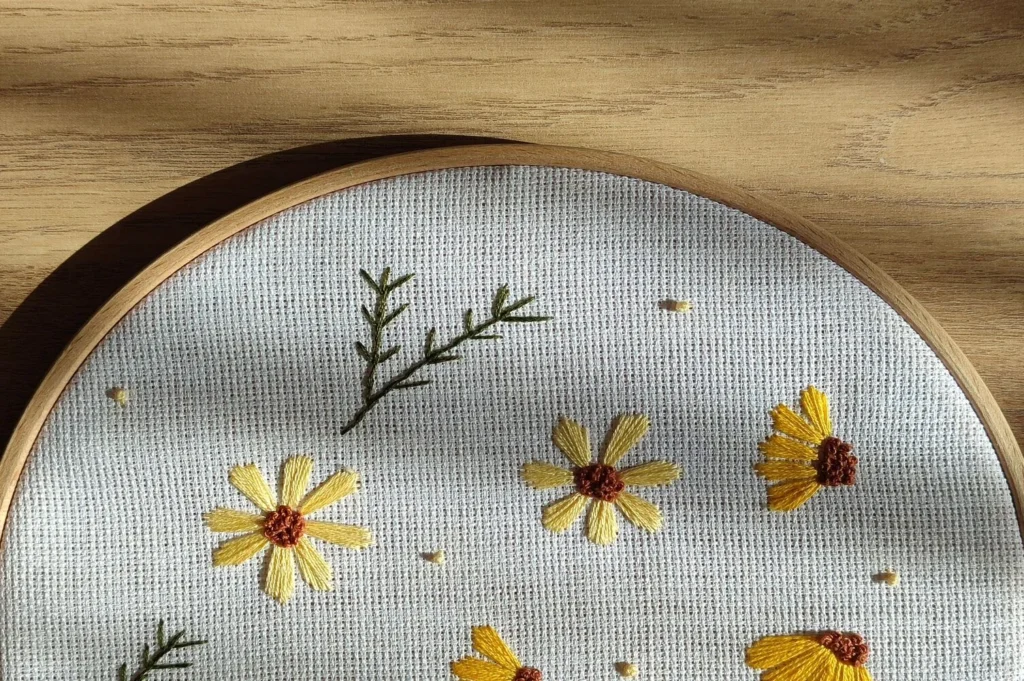
Now that you know how applique embroidered apparel is made, let’s talk about where it’s actually used.
Today, applique can be found on a wide range of apparel and textile products. However, there are certain applications where it really shines.
Here are some of the most common uses of embroidered applique patches:
1. Large lettering
This is probably the most recognizable use of applique embroidery.
Large letters require thousands of stitches when embroidered traditionally. But with applique, fabric is used to quickly create the letter while embroidery secures the edges.
This creates a bold look without requiring excessive stitching. It’s one reason applique is commonly used for:
- School initials
- Team names
- Monograms
- Decorative lettering
2. Letterman jackets
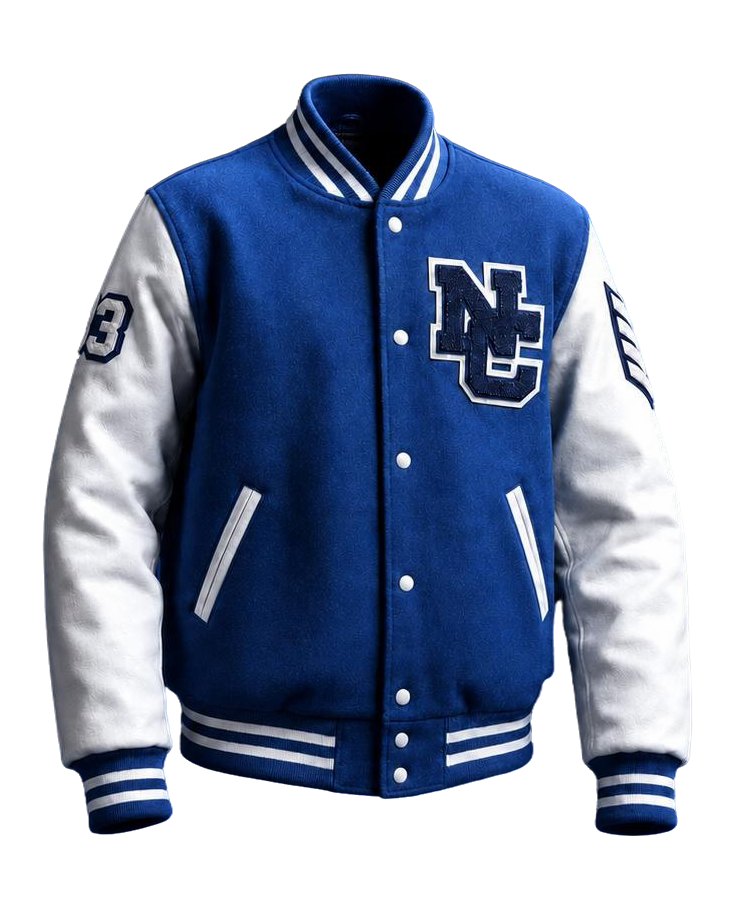
If you’ve ever seen custom varsity jackets, you’ve already seen applique embroidery in action.
The large letters and patches commonly found on letterman jackets are often created using applique techniques.
Here, the layered fabric gives the design depth and makes it highly visible from a distance.
3. Team and sports apparel
Sports teams frequently use applique embroidery for uniforms, warm-up gear, and team apparel.
Here, large numbers, names, and logos benefit from the bold appearance that applique provides.
4. Hoodies and sweatshirts
Applique can be used to create oversized designs that look stylish without becoming overly heavy with stitching. That’s because these garments have larger decoration areas.
In fact, many collegiate and fashion-inspired garments actively use applique for this reason.
5. Embroidered applique patches
Another common application is embroidered applique patches. These patches combine fabric and embroidery to create decorative emblems that can be attached to apparel, bags, uniforms, and accessories.
6. Fashion and decorative apparel
Many designers use applique embroidery simply because it looks unique.
The layered appearance, texture, and fabric combinations allow for creative effects that aren’t possible with thread alone.
This makes applique a popular choice for decorative fashion garments and custom apparel projects.
From custom logo embroidery to branded apparel and patches, we deliver high-quality embroidery tailored to your unique needs.
What are the benefits of applique embroidery?
By now, you probably have a good understanding of what applique embroidery is and where it’s commonly used.
But why do so many businesses, schools, teams, and apparel brands choose it?
The answer comes down to the unique advantages that applique offers.
Here are some of the biggest benefits of applique embroidered apparel:
1. It creates more texture and dimension
One of the biggest reasons people choose applique embroidery is the look.
Here, the finished result has a layered appearance that traditional embroidery can’t fully replicate. That’s because the fabric becomes part of the design itself.
This added texture helps designs stand out and creates a more premium feel.
2. It’s ideal for large designs
Large embroidered designs often require a significant number of stitches.
But with applique, much of the design area is covered by fabric instead of thread. This makes it easier to create oversized letters, logos, and graphics without filling every inch with embroidery stitches.
3. It offers more creative possibilities
Traditional embroidery relies mainly on thread colors.
Embroidery applique, on the other hand, allows you to introduce different fabrics, textures, and patterns into the design. For instance, you can use:
- Plaid fabrics
- Camouflage fabrics
- Floral fabrics
- Denim fabrics
- Specialty prints
This creates design possibilities that standard embroidery alone may not achieve.
4. It creates a bold visual impact
Applique designs tend to be highly visible.
Here, the combination of fabric and embroidery naturally draws attention and helps important elements stand out.
This is one reason schools, sports teams, and apparel brands frequently use applique for lettering and logos.
5. It provides a unique handcrafted appearance
Many people simply like the artistic look of applique. That’s because layered construction gives garments character and personality that feels different from standard embroidery.
And in today’s world of mass-produced products, that handcrafted appearance can be especially appealing.
In short, here are some of the biggest advantages of applique embroidery:
| Benefit | Why It Matters |
| More texture | Creates a layered appearance |
| Great for large designs | Ideal for oversized graphics and lettering |
| Creative flexibility | Allows different fabrics and patterns |
| Strong visual impact | Helps designs stand out |
| Unique appearance | Creates a handcrafted look |
Final words
By now, I am sure you have a clear understanding of what applique embroidery is and how it works.
Simply put, applique embroidery is a decorative technique that combines fabric and embroidery to create bold, textured designs.
Here, instead of relying entirely on thread, pieces of fabric become part of the design itself and are secured with embroidery stitching.
For apparel decorators, businesses, schools, and embroidery enthusiasts, applique offers:
- More texture and dimension
- Greater design flexibility
- A bold visual appearance
- Creative fabric options
- A unique handcrafted feel
Got more questions or looking to create custom embroidered apparel for your business, team, or organization?
You can get in touch with us!
At Five Star Apparel, we provide high-quality custom embroidery in Shingle Springs designed to help your apparel stand out.
Whether you need polos, jackets, hats, uniforms, or custom branded apparel, our team is here to help bring your vision to life with precision and durability.
FAQs about applique embroidery
What is applique embroidery?
Applique embroidery is a decorative embroidery technique where pieces of fabric are attached to a base fabric and secured with embroidery stitching.
Here, the combination of fabric and thread creates a layered, textured appearance that differs from traditional embroidery.
What is applique in embroidery?
Applique in embroidery refers to the process of applying one piece of fabric onto another and securing it with decorative stitches. It is commonly used to create large letters, logos, and decorative designs.
What fabric is best for applique embroidered apparel?
Several fabrics work well for applique embroidery, including cotton, twill, felt, denim, and patterned fabrics.
The best choice depends on the design, garment, and desired appearance.
Is applique embroidered work durable?
Yes.
When properly stitched, applique embroidery is highly durable and can withstand regular wear and washing. The embroidery stitching helps keep the applique fabric securely attached to the garment.
In fact, applique embroidery is considered more durable than screen printing and digital printing methods.
How do you do applique embroidery?
The embroidery process typically involves creating a placement stitch, positioning the applique fabric, trimming excess material, and stitching around the edges to secure the design. Both embroidery machines and hand embroidery methods can be used here.
What is the difference between applique and embroidered applique patches?
Standard applique embroidery is stitched directly onto a garment.
Embroidered applique patches, on the other hand, are separate decorative patches that combine applique fabric and embroidery before being attached to apparel, bags, hats, or other items.
Anna Freeman is the owner of 5 Star Apparel. With over 20 years of industry experience, she brings expert insights on embroidery, screen printing, and branded apparel, helping businesses and organizations bring their ideas to life with confidence and style.