What Is Crewel Embroidery And When Should You Use It?

Written By
Anna Freeman
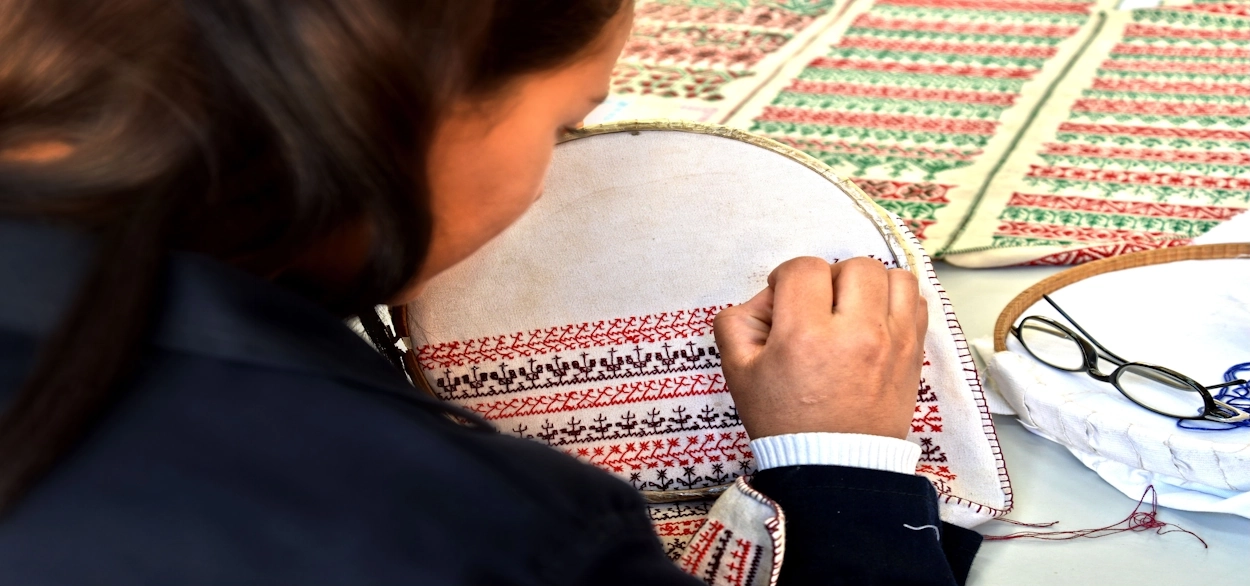
Among all things decorative embroidery, crewel embroidery is one of those terms you’ll come across again and again.
But if you’re a beginner, there’s a good chance you might not know exactly what it means.
And it isn’t just you.
A lot of people assume crewel embroidery is either a special embroidery stitch type or a completely different form of embroidery altogether. None of it is true.
You see, crewel embroidery uses many of the same stitches as traditional embroidery. The only difference is that crewel stitches use wool thread used to create designs.
And it’s because of this, crewel work embroidery has a unique look that feels textured, dimensional, and incredibly artistic.
In this blog, I will explain what makes crewel work really special. You’ll know:
- What crewel embroidery is
- The materials used in crewel embroidery
- Common crewel stitches
- Popular crewel patterns
- And when you should choose crewel work embroidery over other techniques
So let’s get started.
Key takeaways
- Crewel embroidery is a type of surface embroidery that uses wool thread
- It creates a textured and dimensional appearance
- Many crewel work embroidery stitches are the same as regular embroidery stitches
- Floral and nature-inspired designs are common in crewel work patterns
- Crewel embroidery is ideal when you want a decorative, handcrafted look
What is crewel embroidery exactly?
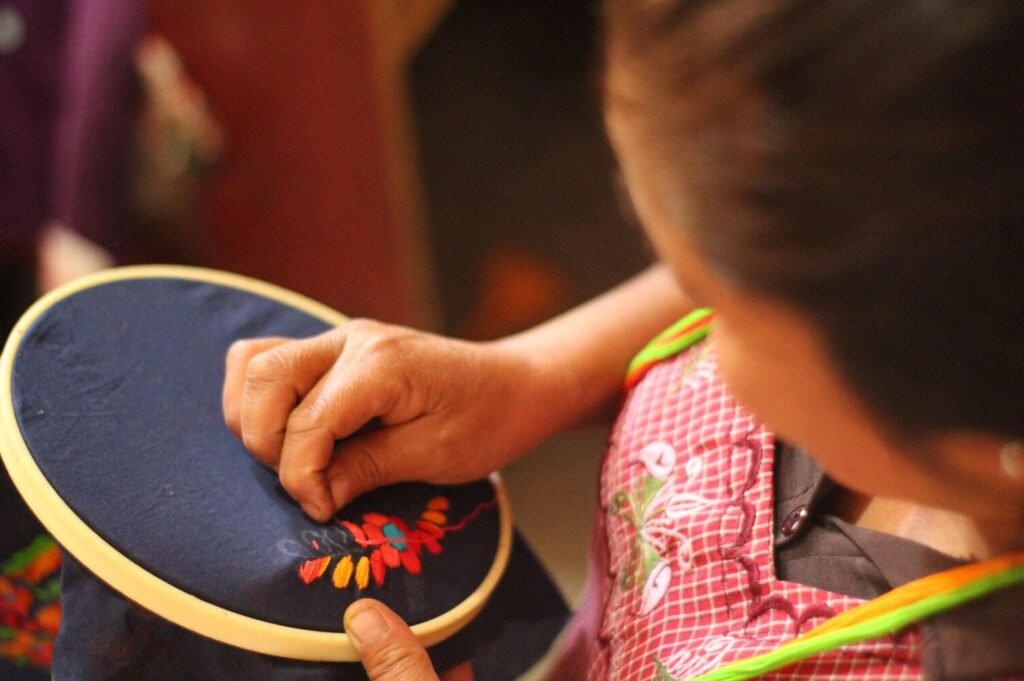
For starters, crewel embroidery is a form of surface embroidery that uses wool yarn to stitch designs onto fabric.
Now, interestingly crewel work isn’t defined by a specific stitch. Instead, it is defined by the thread used to create the design.
You see, traditional crewel embroidery used a special type of wool thread known as crewel thread. This wool thread was stitched onto fabrics like linen, cotton, or twill to create decorative patterns that featured flowers, leaves, vines, birds, and other nature-inspired elements.
And this is still pretty much how crewel embroidered apparel is made today.
Here, the finished design appears more textured and slightly raised because wool is thicker than standard embroidery floss. In fact, this is what gives crewel work embroidery its signature handcrafted appearance.
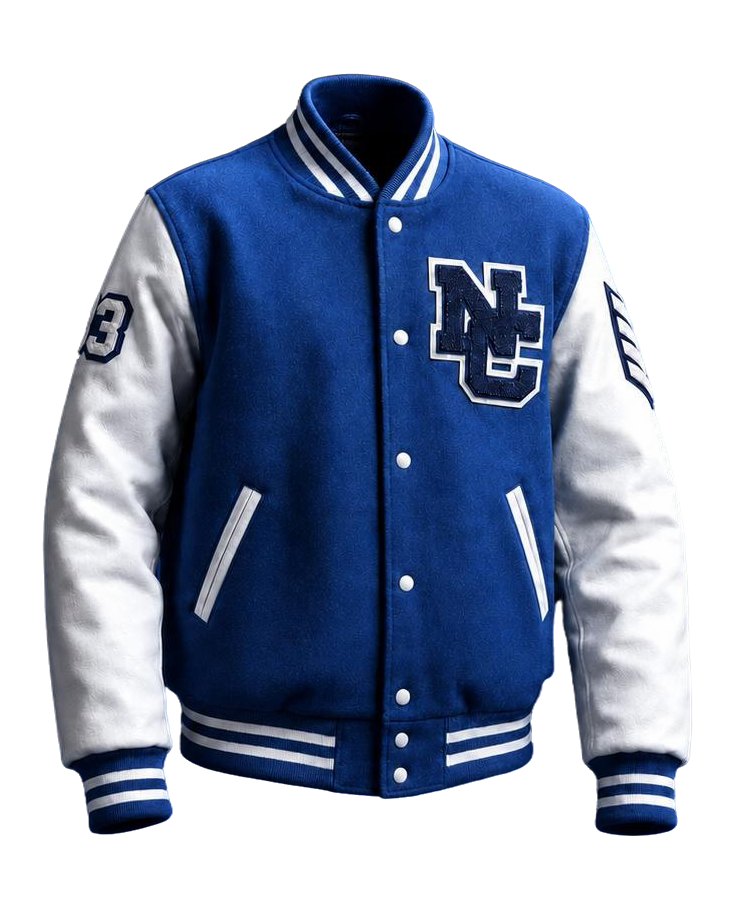
From embroidery to screen printing and custom patches, we help you create high-quality custom apparel that stands out.
How is crewel work different from regular embroidery?
The biggest difference between crewel and regular custom embroidery is that crewel work is embroidery done with wool yarn.
You see, regular embroidery often uses cotton floss, rayon thread, polyester thread, or silk thread. Crewel work, on the other hand, uses wool yarn for embroidery.
The stitches themselves can be very similar.
For instance, both techniques can use stem stitch, satin stitch, chain stitch, or French knots. The only difference is that crewel embroidery uses wool thread, which creates a more textured and dimensional finish.
Overall all, here’s how crewel work compares to regular embroidery:
| Feature | Crewel Embroidery | Regular Embroidery |
| Thread Type | Wool yarn | Cotton, polyester, rayon, silk |
| Appearance | Textured and raised | Smoother finish |
| Common Designs | Floral and nature-inspired | Almost any design |
| Overall Look | Traditional and decorative | Versatile and modern |
How did crewel work embroidery start?
Crewel embroidery has a surprisingly long history.
Historians have traced forms of crewel work back several centuries, with the technique becoming especially popular in England during the 16th and 17th centuries.
During that time, crewel work was commonly used to decorate household furnishings such as:
- Bed hangings
- Curtains
- Cushions
- Wall coverings
- Upholstered furniture
Back then, many traditional designs featured elaborate flowers, twisting vines, leaves, exotic birds, and tree motifs. These decorative patterns eventually became closely associated with Jacobean embroidery, a style that is still popular.
Later on, crewel embroidery experienced another surge in popularity during the 1960s and 1970s. This period introduced many of the vintage crewel embroidery kits and designs.
Even today, antique crewel embroidery pieces are highly valued because of their craftsmanship, detail, and timelessness.
What materials are used in crewel embroidery?
For those of you who are interested in learning crewel embroidery, you’ll need to source a few specialized materials.
Thankfully, the supply list is fairly simple and includes the following:
1. Crewel embroidery thread
The most important material is crewel thread.
Traditionally, this is a two-ply worsted wool yarn designed specifically for embroidery. It is smoother than regular knitting wool and strong enough to pass through fabric repeatedly without excessive fraying.
This wool thread is what gives crewel work its characteristic texture and depth.
2. Fabric
Crewel work patterns are stitched on sturdy fabrics that can support the weight of wool thread. This includes:
- Linen
- Cotton twill
- Cotton duck
- Certain blended fabrics
These materials provide enough stability to keep the stitches neat and well-defined.
3. Crewel needles
Crewel needles are slightly different from standard sewing needles. They feature:
- A sharp point
- A long eye
- Enough space to accommodate wool thread
This makes stitching easier and helps reduce thread damage.
4. Embroidery hoop
An embroidery hoop helps keep the fabric taut while stitching. This improves stitch consistency and makes detailed designs much easier to create.
In short, here are the materials you’ll need for crewel work patterns:
| Material | Purpose |
| Crewel wool thread | Creates the embroidered design |
| Fabric | Provides a stable stitching surface |
| Crewel needle | Allows wool thread to pass smoothly |
| Embroidery hoop | Keeps fabric tight while stitching |
What are the most common crewel embroidery stitches?
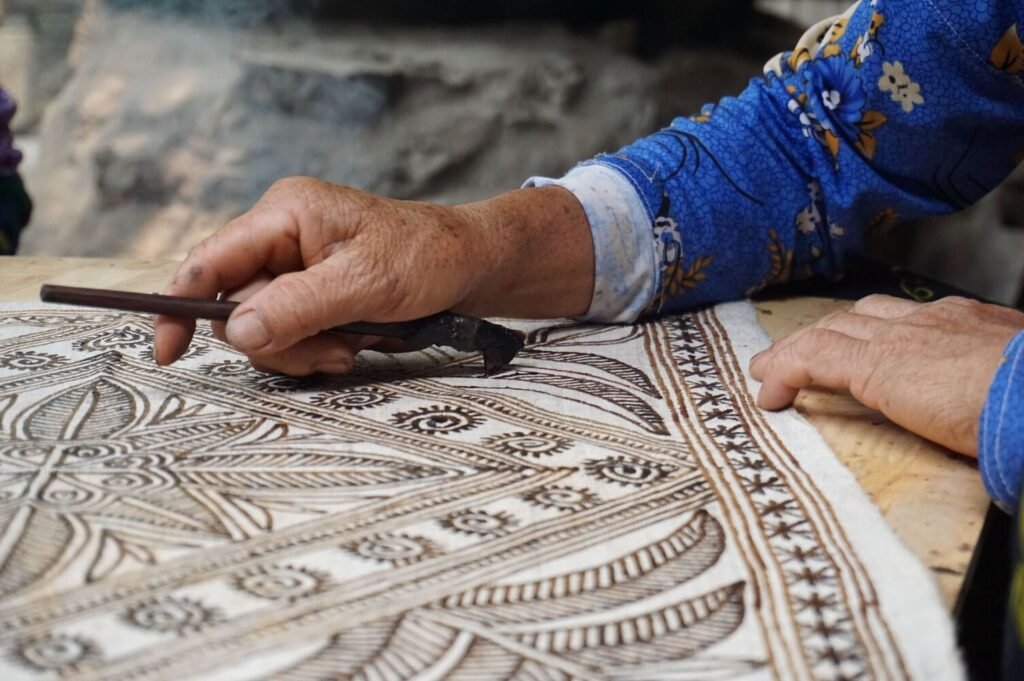
Surprising as it might sound, crewel embroidery doesn’t really need a completely different set of stitches.
In fact, many crewel work embroidery stitches are the same stitches used in traditional embroidery.
The only difference is that they’re worked with wool thread, which creates more texture and visual depth.
Here are some of the most common crewel stitches:
1. Stem stitch
Stem stitch is one of the most widely used stitches in crewel work. It is commonly used for:
- Flower stems
- Vines
- Outlines
- Curved shapes
This is perfect for nature-inspired designs because it creates a smooth, rope-like line.
2. Chain stitch
Chain stitch creates a series of connected loops that resemble a chain. It adds texture and is often used for:
- Decorative borders
- Leaves
- Outlines
- Accent details
This stitch is especially popular in traditional crewel embroidery patterns.
3. Satin stitch
Satin stitch fills areas with smooth, closely packed stitches. It is commonly used for:
- Flower petals
- Leaves
- Decorative shapes
When worked with wool thread, satin stitch creates a rich, dimensional appearance.
4. Long and short stitch
Long and short stitch is often used for shading.
Here, embroiderers can create smooth transitions and realistic effects within a design by varying stitch lengths and colors. It is particularly useful for flowers, animals, and detailed botanical artwork.
5. French knots
French knots add small raised dots to a design. And they’re commonly used for:
- Flower centers
- Berries
- Decorative accents
- Textured details
Even a few French knots can make a design feel more detailed and visually interesting.
Overall, these stitches form the foundation of many traditional and modern crewel work patterns.
In short, here are the most common crewel embroidery stitches:
| Stitch | Common Use |
| Stem Stitch | Vines, stems, outlines |
| Chain Stitch | Borders and decorative lines |
| Satin Stitch | Filling shapes and petals |
| Long and Short Stitch | Shading and blending |
| French Knots | Texture and small details |
What designs are popular in crewel embroidery?
When people think about crewel embroidery patterns, they usually picture flowers and nature-inspired artwork. That’s because those designs have always been at the heart of crewel work.
You see, traditional crewel embroidery often features:
- Flowers
- Leaves
- Vines
- Trees
- Birds
- Butterflies
- Fruits
- Woodland animals
And many of these designs trace back to historic Jacobean embroidery, which became famous for its flowing, elaborate patterns.
Today, however, crewel embroidery patterns come in all kinds of styles. You can find:
- Traditional floral patterns
- Modern botanical designs
- Abstract artwork
- Decorative monograms
- Home décor pieces
- Contemporary embroidery projects
That said, nature-inspired designs remain the most recognizable and popular style associated with crewel work embroidery.
When should you use crewel embroidery?
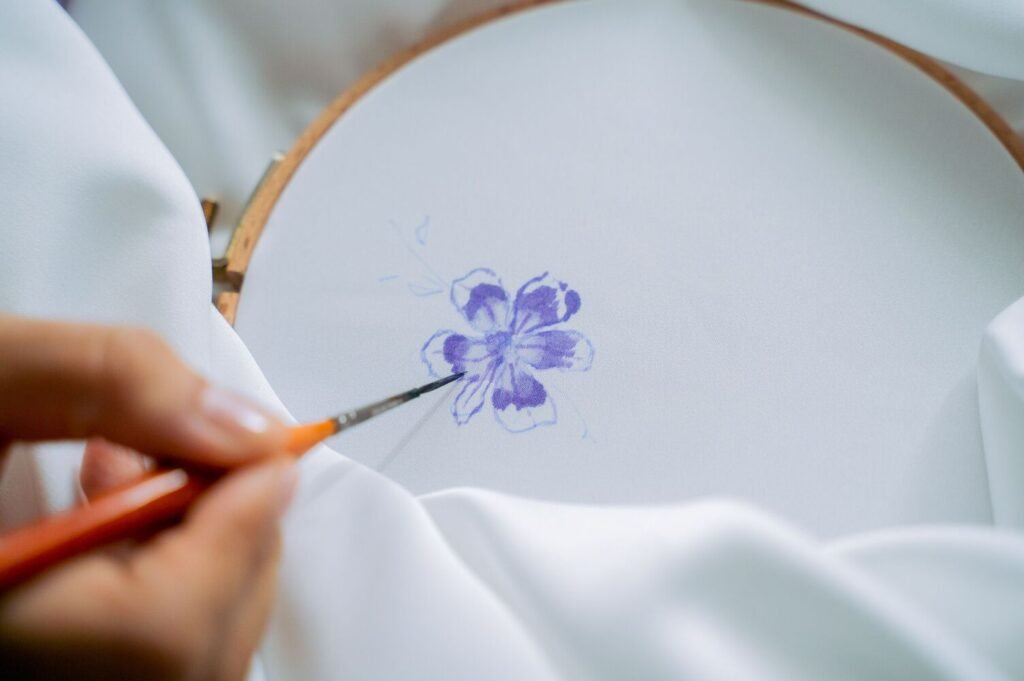
Now that you know what crewel work embroidery is, you might be curious: When is it actually the right choice?
The answer depends on the type of look you’re trying to achieve.
Generally speaking, here’s when you should use crewel embroidery patterns:
1. When you want more texture and dimension
Since wool thread is thicker than standard embroidery floss, it creates a raised appearance that immediately stands out. And this is probably the biggest reason people choose crewel embroidery.
So, if you want your design to have depth and visual interest, and you don’t want to use 3D puff embroidery, crewel work is an excellent option.
2. When you’re creating decorative artwork
Crewel embroidery is used more for decorative rather than functional purposes. For instance, it’s commonly found on:
- Framed embroidery art
- Decorative pillows
- Wall hangings
- Home décor projects
- Heritage-inspired pieces
Its artistic look makes it especially appealing for display pieces.
3. When you’re working with floral or nature-inspired designs
Flowers, vines, leaves, and birds naturally complement the texture created by wool thread.
This is one reason why so many traditional crewel work patterns focus on botanical themes. The added dimension here helps these designs feel more detailed and lifelike.
4. When you want a traditional handcrafted appearance
Crewel embroidery has centuries of history behind it.
As a result, it often carries a timeless, handcrafted charm that machine embroidery or printed graphics simply can’t replicate.
So, if you’re looking for a classic decorative style, crewel work delivers exactly that.
5. When restoring or recreating vintage designs
Many embroidery enthusiasts use crewel techniques when restoring vintage crewel embroidery or recreating antique crewel embroidery pieces.
Why?
Well, since wool thread was traditionally used in these projects, crewel work helps preserve the authentic appearance of historic designs.
In short, crewel embroidery is best when you want texture, artistry, and a traditional handcrafted feel.
Bonus: Here are some downsides of crewel embroidery that you should know about
| Limitation | What It Means |
| Time Intensive | Detailed projects can take longer |
| Wool Care Required | Needs proper maintenance |
| Limited Apparel Use | Better suited for decorative projects |
From embroidery to screen printing and custom patches, we help you create high-quality custom apparel that stands out.
Final words
By now, I am sure you have a clear understanding of what crewel embroidery is and when it makes sense to use it.
Simply put, crewel embroidery is a form of surface embroidery that uses wool thread to create decorative designs with texture, depth, and character.
For embroidery enthusiasts, it offers:
- Rich dimensional detail
- A timeless handcrafted appearance
- Versatile stitching techniques
- Beautiful decorative possibilities
Whether you’re creating embroidery for the first time, studying antique crewel embroidery, or looking for inspiration from traditional work, this technique is one of the most artistic forms of embroidery.
Got more questions or want to create custom embroidered apparel for your business, team, or event?
At Five Star Apparel, we offer high-quality custom embroidery in Shingle Springs designed to bring your brand to life with precision and durability.
Whether you need polos, hats, jackets, or uniforms, our team is here to help you create custom apparel that represents your brand the right way.
FAQs about crewel embroidery
What is crewel embroidery?
Crewel embroidery is a type of surface embroidery that uses wool thread to stitch decorative designs onto fabric.
While many of the stitches are similar to traditional embroidery stitches, the use of wool yarn gives crewel work its distinctive textured and dimensional appearance. It is commonly used for floral, botanical, and decorative designs.
What is crewel work?
Crewel work is simply another name for crewel embroidery. The term refers to embroidery created with wool thread rather than standard cotton embroidery floss.
Traditionally, crewel work was used on home furnishings, decorative textiles, and artistic embroidery projects.
What thread is used for crewel embroidery?
Traditional crewel embroidery thread is a two-ply worsted wool yarn specifically designed for embroidery.
This type of wool is durable, smooth, and capable of producing the textured look that crewel work is known for.
Is crewel embroidery difficult to learn?
Not necessarily.
Many beginners can learn crewel embroidery because it uses common embroidery stitches such as stem stitch, chain stitch, satin stitch, and French knots.
The biggest learning curve is becoming comfortable working with wool thread rather than standard embroidery floss.
What are the most common crewel embroidery patterns?
Some of the most popular crewel embroidery patterns include flowers, leaves, vines, birds, trees, butterflies, and other nature-inspired motifs.
Traditional Jacobean-style designs remain especially popular among crewel embroidery enthusiasts.
Is crewel embroidery still popular today?
Yes.
Although crewel embroidery has centuries of history, it remains popular among modern embroidery enthusiasts.
People enjoy it because of its textured appearance, artistic style, and connection to traditional needlework techniques.
Anna Freeman is the owner of 5 Star Apparel. With over 20 years of industry experience, she brings expert insights on embroidery, screen printing, and branded apparel, helping businesses and organizations bring their ideas to life with confidence and style.