What Is The Difference Between DTG Vs Embroidery Printing?

Written By
Anna Freeman
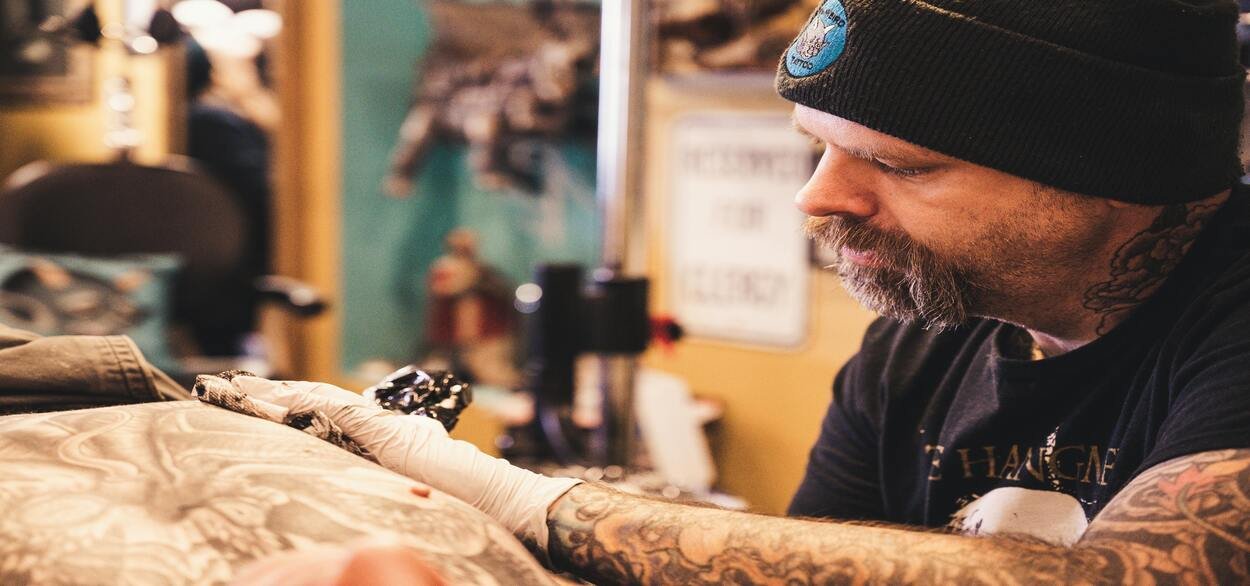
If you’ve been looking for custom apparel printing, I am sure you’ve come across two terms: DTG and embroidery printing. Both of these are popular, professional, and widely used in apparel making.
However, even though they’re often compared side by side, DTG printing and embroidery are completely different in how they work, look, and where they perform best.
So, if you’re planning to order custom apparel for your business, it is essential you pick the right option.
After all, the print type affects everything from design quality to cost and even your brand image.
In this blog, I will explain all the differences between DTG and embroidery printing. You’ll know:
- What DTG printing and embroidery actually are
- The differences between DTG vs embroidery
- Which printing method works best for different types of apparel
- How to choose the right option for your brand
So, let’s get started.
Key takeaways
- DTG printing applies ink directly onto fabric, making it ideal for detailed and colorful designs
- Embroidery uses thread stitched into fabric, giving a textured and premium look
- DTG is better for complex artwork, while embroidery works best for simple logos
- Embroidery is more durable over time, especially for heavy use
- For business branding, embroidery feels more premium, while DTG offers more design flexibility
What is DTG printing?
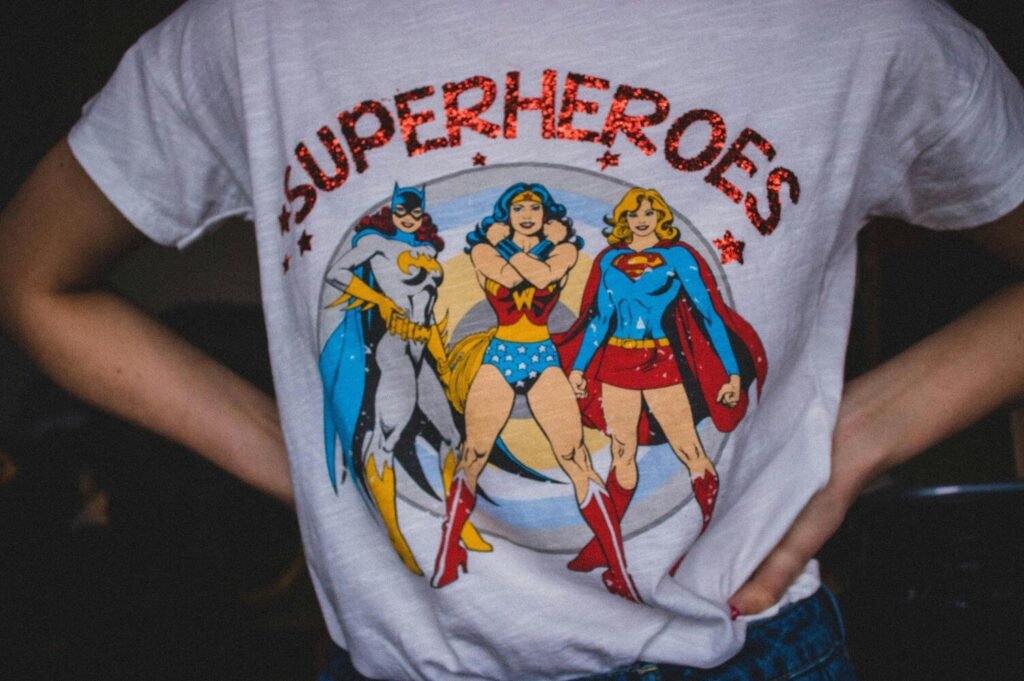
DTG or Direct-to-Garment printing is a method where designs are printed directly onto fabric using specialized inkjet technology.
Here, the printer applies ink straight onto the garment, similar to how a regular printer works on paper. The ink gets absorbed into the fabric, which allows the design to sit smoothly on the surface.
The result?
You get a soft, breathable print that feels like part of the fabric rather than something sitting on top.
This is exactly why DTG printing is used for creating highly detailed designs, gradients, and multiple colors. You don’t have to worry about limitations like color count or complex artwork.
So, if your design has fine details or photo-like quality, DTG is apt for it.
From embroidery to screen printing and custom patches, we help you create high-quality custom apparel that stands out.
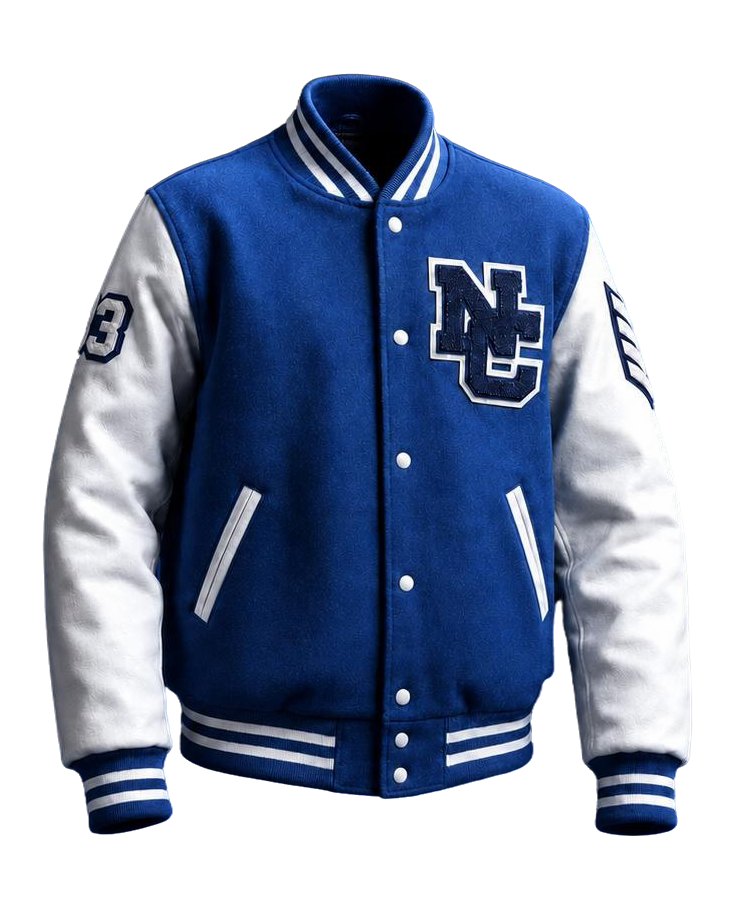
How does DTG printing work?
The process behind DTG printing is pretty straightforward.
First, your garment is pre-treated. This step helps the ink bond properly with the fabric and ensures better color vibrancy.
Next, the design is loaded into the printer, and the garment is placed flat on the printing surface.
Then comes the actual printing. Here, the machine sprays water-based ink directly onto the fabric, carefully applying every detail of the design.
Once the printing is complete, the garment is heat-cured. This step locks the ink into the fabric so the design stays in place even after washing.
What is embroidery?
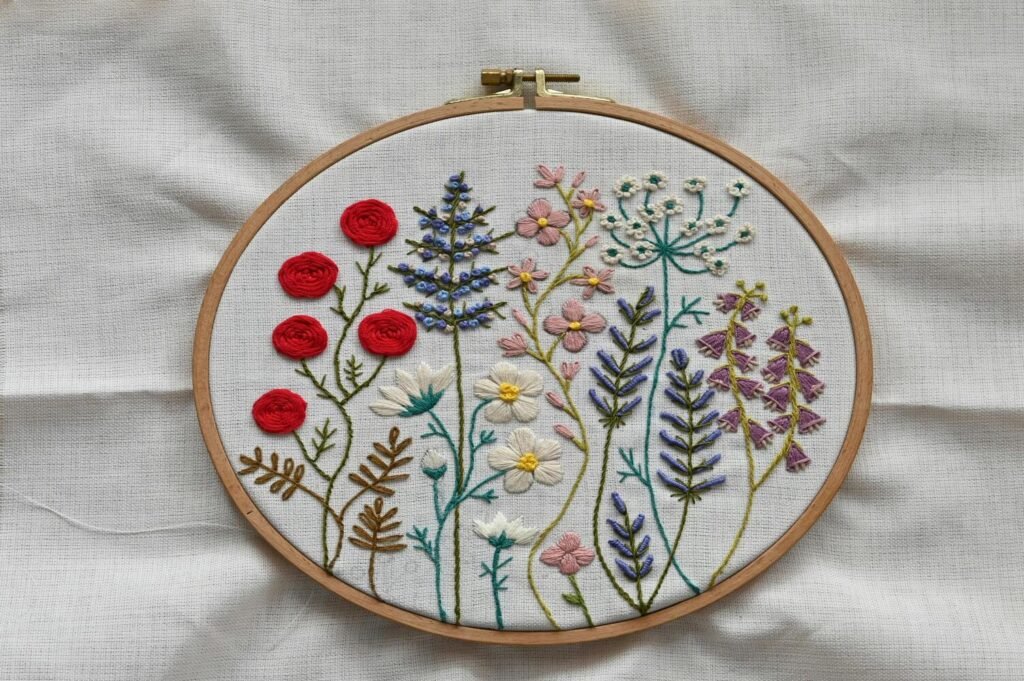
Embroidery is a completely different approach to customizing apparel.
Instead of printing ink, this method uses thread to stitch the design directly into the fabric. And this is where things start to feel more premium.
You see, since the design is sewn into the garment, it creates a textured, raised effect that instantly stands out. You can actually feel the design, which gives it a more durable and high-end look.
Also, unlike DTG, custom embroidery doesn’t rely on colors blending into the fabric. Instead, it uses solid thread colors to build the design stitch by stitch.
Embroidery is commonly used for logos, uniforms, caps, and corporate apparel where a clean and professional appearance is essential.
How does embroidery work?
Embroidery is all about precision.
It starts with converting your design into a digital embroidery file. This file tells the machine exactly how to stitch the design, including stitch type, direction, and sequence.
Next, the garment is placed in an embroidery machine and secured tightly so it doesn’t move during stitching.
Then, the machine uses multiple needles and threads to stitch the design directly onto the fabric.
Once the stitching is complete, any extra threads are trimmed, and the design is cleaned up for a polished finish.
The end result is a strong, long-lasting design that doesn’t fade, peel, or crack over time.
DTG vs embroidery: What’s the difference?
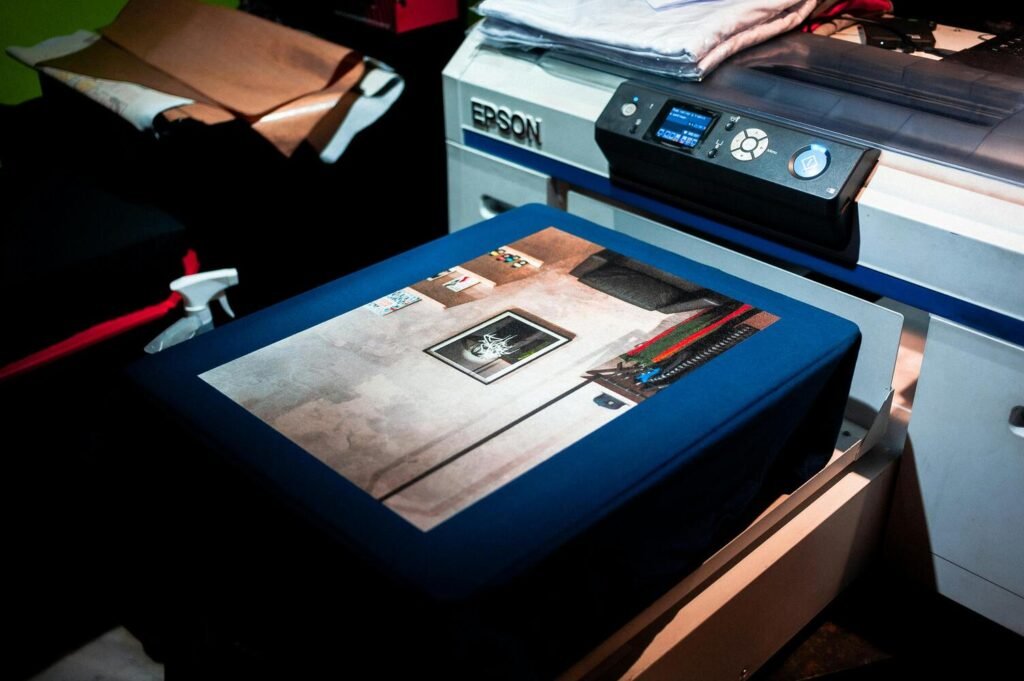
DTG printing and embroidery both look clean and professional on apparel. But they both serve different purposes.
From how the design is applied to how it feels, lasts, and even costs, each has its own uses.
Here are all the differences between DTG vs embroidery:
1. Method
The biggest difference between DTG printing vs embroidery comes down to how the design is applied.
DTG printing uses ink that is sprayed directly onto the fabric. Here, the design becomes part of the garment and sits smoothly on the surface.
Embroidery, on the other hand, uses thread stitched into the fabric. Instead of printing, the design is physically sewn onto the garment.
So, while DTG is more like printing on paper, embroidery is more like stitching a design into the clothing itself.
2. Look and finish
This is where the visual difference really stands out.
DTG prints have a smooth, flat finish. The design blends into the fabric, giving it a soft and natural look.
Embroidery has a raised, textured finish. You can feel the threads, which gives it a more structured and premium appearance.
So, if you want something soft and subtle, DTG works well. And if you want something bold and high-end, custom patch embroidery is the better choice.
3. Design flexibility
When it comes to design options, DTG clearly has the advantage.
DTG printing can handle:
- Complex artwork
- Fine details
- Gradients and shading
- Unlimited colors
In fact, you can print almost anything without worrying about design limitations.
Embroidery, however, works best with:
- Simple designs
- Logos
- Text
Since designs are stitched, too much detail or very small elements can get lost or look cluttered.
So, DTG is better for creative freedom, while embroidery is better for clean, simple designs.
4. Durability
Durability is where embroidery really shines.
Since the design is stitched into the fabric, it can handle repeated washing, heavy use, and wear without fading or cracking.
DTG prints are durable too, but they can fade over time, especially if not cared for properly.
So, if long-term durability is your top priority, I suggest you go for embroidery.
5. Feel on fabric
DTG prints feel soft and lightweight because the ink is absorbed into the fabric. You can barely feel the design, which makes it more comfortable for everyday wear.
Embroidery feels thicker and slightly heavier due to the stitching. While it adds a premium touch, it can feel a bit stiff depending on the design size.
So, if comfort and softness matter most, DTG has the edge.
6. Cost
Cost is another important factor when comparing printing DTG vs embroidery.
DTG printing is generally more cost-effective for:
- Small orders
- Designs with many colors
- Detailed artwork
On the other hand, embroidery tends to be more expensive because:
- It requires digitizing the design
- Stitching takes more time
- Pricing often depends on stitch count
However, for simple logos in bulk, embroidery can still be a cost-effective option.
7. Best uses
Both DTG vs embroidery printing work best in different situations.
DTG printing is ideal for:
- T-shirts with detailed graphics
- Creative or artistic designs
- Small batch orders
Embroidery is perfect for:
- Polo shirts
- Uniforms
- Caps and jackets
- Corporate branding
So, choosing between embroidery vs DTG really depends on how and where you plan to use the apparel.
In short, here are all the differences between DTG vs embroidery:
| Feature | DTG Printing | Embroidery |
| Method | Ink printed on fabric | Thread stitched into fabric |
| Finish | Smooth, flat | Textured, raised |
| Design Flexibility | High | Limited |
| Durability | Medium | High |
| Feel | Soft | Slightly heavy |
| Cost | Affordable | Higher |
DTG vs embroidery: When to use each of the options?
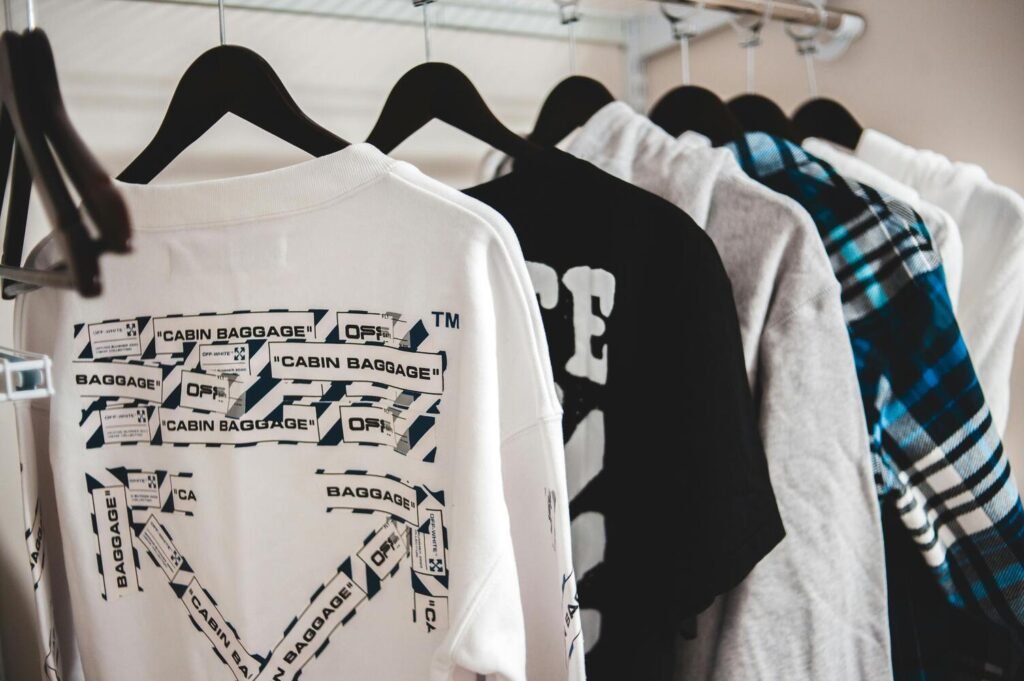
Now that you know the differences, let’s understand where each method actually works best. That’s because at the end of the day, it’s not just about features, it’s about use cases.
Let’s break it down.
DTG printing is perfect for:
1. Detailed graphic designs
If your design includes multiple colors, gradients, or intricate details, DTG is the way to go.
It captures every detail clearly without any limitations, which makes it ideal for creative and artistic prints.
2. Custom t-shirts
DTG works really well for custom t-shirts screen printing, especially when you want something soft, comfortable, and visually detailed. The print blends into the fabric, making it great for everyday wear.
3. Small orders
If you’re printing in small quantities, DTG is more practical. There’s no complex setup required, so you can print even a single piece without increasing costs significantly.
4. Photo prints
DTG is one of the best methods for printing photo-quality images on apparel. If your design looks like a photograph or has a lot of shading, DTG handles it effortlessly.
Embroidery is perfect for:
1. Corporate uniforms
Embroidery gives uniforms a clean, professional, and premium look. That’s why it’s widely used for company logos on polos, shirts, and workwear.
2. Caps and jackets
For thicker garments like caps and jackets, embroidery works much better than DTG. The stitching holds well and adds a strong visual presence.
3. Simple logos
If your logo is clean and not overly detailed, embroidery can make it stand out in a very polished way. It adds a level of professionalism that printing sometimes can’t match.
4. Long-term use apparel
For clothing that needs to last through heavy use and frequent washing, embroidery is the better option. It holds up much better over time compared to printed designs.
In short, here’s when to use DTG vs embroidery:
| Use Case | Best Option |
| Detailed Designs | DTG |
| Custom T-Shirts | DTG |
| Small Orders | DTG |
| Photo Prints | DTG |
| Uniforms | Embroidery |
| Caps & Jackets | Embroidery |
| Simple Logos | Embroidery |
| Long-Term Use | Embroidery |
From embroidery to screen printing and custom patches, we help you create high-quality custom apparel that stands out.
Final words
As you can see, choosing between embroidery vs DTG isn’t about which one is better overall. Instead, it is about what fits your design, your budget, and how you plan to use the apparel.
For instance, if your goal is to create bold, detailed, and creative designs, DTG printing is hard to beat.
But if you want something durable, professional, and long-lasting, embroidery is the smarter choice.
At the end of the day, both methods are excellent, you just need to pick the one that aligns with your brand.
Got more questions or looking for custom printed apparel?
You can get in touch with us!
At Five Star Apparel, we are seasoned custom printing apparel with over a decade of local expertise in the Shingle Springs area. And we’ve got all your custom apparel needs covered on a budget.
Frequently asked questions
What is the main difference between DTG vs embroidery?
The main difference is in how the design is applied.
DTG printing uses ink that is printed directly onto the fabric, creating a smooth and soft finish.
Embroidery uses thread stitched into the fabric, resulting in a textured and more durable design.
Which is more durable: DTG or embroidery?
Embroidery is more durable.
Since the design is stitched into the fabric, it can handle frequent washing and heavy use without fading or cracking.
DTG prints are durable too, but they may fade over time if not properly cared for.
Is DTG printing better than embroidery?
It depends on your needs.
DTG is better for detailed, colorful, and complex designs. Embroidery is better for simple logos, durability, and a premium look.
So, neither is better overall, it just depends on your use case.
Which is cheaper: DTG or embroidery?
DTG is usually more affordable for small orders and complex designs.
Embroidery can be more expensive because of digitizing and stitching costs. However, for simple designs in bulk, embroidery can still be cost-effective.
Can DTG and embroidery be used on the same garment?
Yes, in some cases, both methods can be used together.
For instance, you might use embroidery for a logo and DTG for a detailed graphic on the same garment. This combination can create a unique and premium look.
Which is better for t-shirts: DTG or embroidery?
DTG is generally better for t-shirts, especially if the design is detailed or colorful. It provides a softer feel and more flexibility in design.
Embroidery can still work for small logos on t-shirts, but it’s not ideal for large or complex designs.
Which method is best for business branding?
Both work well for business branding, depending on your goal.
DTG is great for creative branding and promotional apparel. Embroidery is better for professional branding, uniforms, and long-term use.
Anna Freeman is the owner of 5 Star Apparel. With over 20 years of industry experience, she brings expert insights on embroidery, screen printing, and branded apparel, helping businesses and organizations bring their ideas to life with confidence and style.